Skip to content
Get the Balanced News app for a better experience!
The Balanced News Logo
Analytics
The Balanced News Logo

Stay Balanced, Stay Informed

Menu
  • Browse News
  • Underreported Stories
  • Curated Feeds
  • Insights
  • Analytics
  • Our Writers
  • About Us
  • Download App
Learn
  • How It Works
  • Bias Detection
  • Lens Score
  • Source Bias Checker
  • Accountability
  • Custom Feeds
Newsroom
  • Writers & Analysts
  • About TBN
  • Editorial Standards
  • Corrections Policy
  • Our Partners
  • Insights
Socials
  • Youtube
  • Instagram
  • X
  • Facebook
News Categories
  • Trending
  • Politics
  • Sports
  • Business
  • Tech
  • Entertainment
  • Health
  • Science
  • Crime
  • Lifestyle
  • National
  • International
  • Good News
  • Crypto

Get Our App

Available for iOS and Android


LensFeedsInsightsAnalyticsTrendingGood NewsSportsPoliticsBusinessCrimeTechEntertainmentHealthNationalInternational

© 2026 The Balanced News. All rights reserved.

About UsEditorial StandardsCorrectionsHelp & SupportPrivacy PolicyTerms & Conditions
Study Finds Mass Protests Most Linked to Regime Change Between 1980 and 2011
Categories

Categories

Related Coverage

Select a news story to see related coverage from other media outlets.

Related Coverage

Select a news story to see related coverage from other media outlets.

  1. Home
  2. /
  3. Politics

Study Finds Mass Protests Most Linked to Regime Change Between 1980 and 2011

Analysed 18 Nov 2026·2 sources analysed·East Germany, Germany·Politics
Study Finds Mass Protests Most Linked to Regime Change Between 1980 and 2011PreviousNext

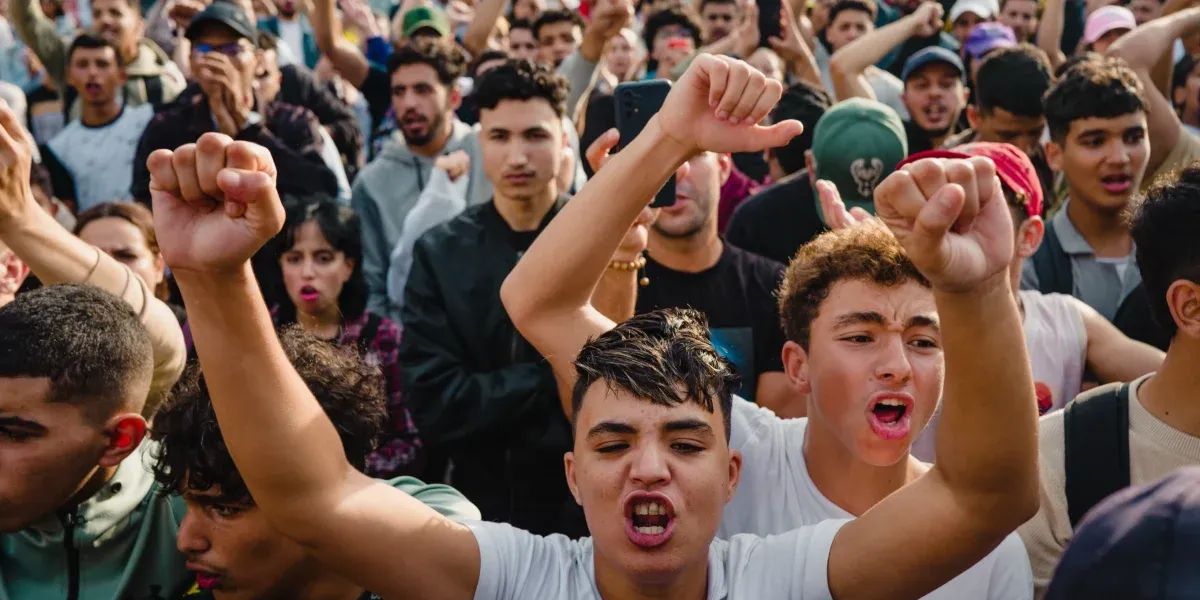
Mass protests worldwide, including recent events in Madagascar, Morocco, and Turkey, have historically influenced political regime changes. A study examining mass mobilisation from 1900 to 2019 finds a 'golden age' between the early 1980s and 2011, when such protests were strongly linked to democratic transitions and regime changes. Before and after this period, the relationship between mass mobilisation and democratic change is less clear, indicating shifts in the effectiveness of protests over time.

Sentiment
52%
TBN's observations

First-hand measurement across 2 sources

We measured how 2 outlets covered this story. No outlet gave this story a measurable political slant — there is no left–right reading to report. Overall sentiment is neutral (52/100). Lens Score 41/100.

Outlets measured: thewire, thenewsminute. See how each one headlined and framed the same story in the source comparison below.

AI analysis of 2 sources · Published under editorial oversight by The Balanced News
Analysed 18 Nov 2026· How this analysis is produced· Editorial standards· Corrections

AI Analysis

Sentiment — Neutral (52/100)

Sentiment was consistent across outlets (52–52/100), indicating broadly factual reporting rather than editorialising.

Coverage timeline

thenewsminute broke this story on 18 Nov, 06:25 am. Other outlets followed.

18 Nov, 06:25 am2 sources · 6 h18 Nov, 12:42 pm
AI analysis by the TBN Bias Engine · beat methodology byPrajakta Kale· Political Analyst· editorial standards byOjas Kale
← Previous
Kerala UDF Cabinet Debates PSC Appointments Amid Internal Differences
Next →
Retired IAS Officers Testify in 2007 Land Denotification Case Against H D Kumaraswamy
1
thenewsminute18 Nov, 06:25 am
Mass protests that led to regime change had their heyday between 1980 and 2011: what happened?
  • 2
    thewire18 Nov, 12:42 pm
    Mass Protests That Led to Regime Change Had Their Heyday Between 1980 and 2011: What Happened?
  • Who's involved

    Institutions and figures named across source coverage.

    Political
    People Power PartySerbian Progressive PartyAlliance for the RepublicAwami League

    Story context

    Category
    Politics
    Location
    East Germany, Germany
    Sources analysed
    2
    Last analysed
    18 Nov 2026
    Key entities
    Mass mobilizationGolden AgeDemocratizationAuthoritarianismMobilizationDemocracyArab SpringRomanian RevolutionUniversity of OsloUniversity of EssexAndry RajoelinaApartheid