Skip to content
Get the Balanced News app for a better experience!
The Balanced News Logo
Analytics
The Balanced News Logo

Stay Balanced, Stay Informed

Menu
  • Browse News
  • Underreported Stories
  • Curated Feeds
  • Insights
  • Analytics
  • Our Writers
  • About Us
  • Download App
Learn
  • How It Works
  • Bias Detection
  • Lens Score
  • Source Bias Checker
  • Accountability
  • Custom Feeds
Newsroom
  • Writers & Analysts
  • About TBN
  • Editorial Standards
  • Corrections Policy
  • Our Partners
  • Insights
Socials
  • Youtube
  • Instagram
  • X
  • Facebook
News Categories
  • Trending
  • Politics
  • Sports
  • Business
  • Tech
  • Entertainment
  • Health
  • Science
  • Crime
  • Lifestyle
  • National
  • International
  • Good News
  • Crypto

Get Our App

Available for iOS and Android


LensFeedsInsightsAnalyticsTrendingGood NewsSportsPoliticsBusinessCrimeTechEntertainmentHealthNationalInternational

© 2026 The Balanced News. All rights reserved.

About UsEditorial StandardsCorrectionsHelp & SupportPrivacy PolicyTerms & Conditions
IISc Study Finds Bengaluru Double-Decker Metro Corridors May Reduce Ridership, Increase Vehicle Use
Categories

Categories

Related Coverage

Select a news story to see related coverage from other media outlets.

Related Coverage

Select a news story to see related coverage from other media outlets.

  1. Home
  2. /
  3. Politics

IISc Study Finds Bengaluru Double-Decker Metro Corridors May Reduce Ridership, Increase Vehicle Use

Analysed 29 Jun 2026·4 sources analysed·Bangalore, India·Politics
IISc Study Finds Bengaluru Double-Decker Metro Corridors May Reduce Ridership, Increase Vehicle UsePreviousNext

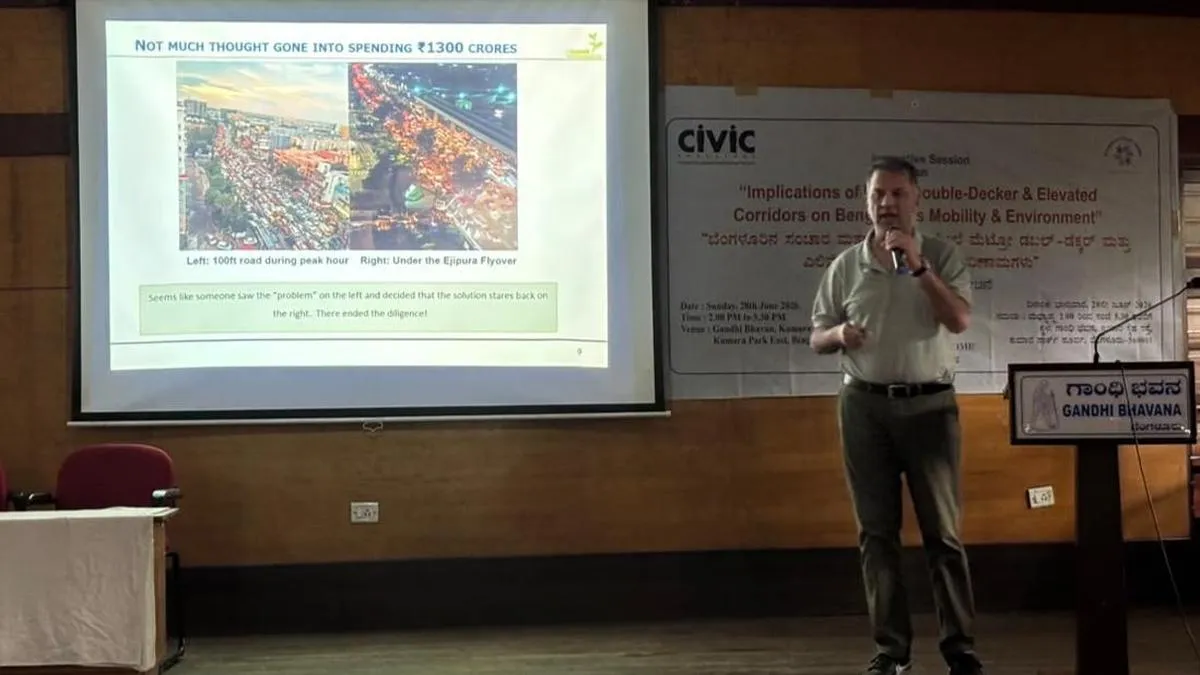
A study by the Indian Institute of Science (IISc) warns that Bengaluru's proposed double-decker metro corridors, combining elevated metro lines with roadways, may reduce metro ridership from 8.09 lakh to 7.98 lakh daily passengers by 2041. The assessment projects a shift from public transport to private vehicles, increasing car, two-wheeler, and taxi usage, which could raise emissions, congestion, and project costs, potentially undermining the city's sustainable mobility goals. The findings were presented to the Ministry of Housing and Urban Affairs.

TBN's observations

First-hand measurement across 2 sources

We measured how 2 outlets covered this story. Coverage leans balanced overall (Left 20%, Centre 75%, Right 5%). Overall sentiment is neutral (36/100). Lens Score 32/100 — low public interest.

Outlets analysed (first-hand measurement by TBN's Bias Engine):

  • thehindu— balanced framing, neutral sentiment
  • thehindu— balanced framing, neutral sentiment
Political Bias
20%75%5%
Sentiment
36%
AI analysis of 2 sources · Published under editorial oversight by The Balanced News
Analysed 29 Jun 2026· How this analysis is produced· Editorial standards· Corrections

AI Analysis

Political bias across 4 sources
● Left 20%● Center 75%● Right 5%

The article group primarily presents a technical assessment from IISc researchers, focusing on urban transport planning without evident political framing. It includes perspectives from academic experts and civic groups concerned about sustainable mobility, with no partisan commentary. The coverage emphasizes empirical findings and government considerations, reflecting a policy and planning viewpoint rather than political debate.

Sentiment — Neutral (36/100)

The overall tone across the articles is cautionary and analytical, highlighting potential negative impacts of the double-decker corridors on public transport usage and environmental goals. While the study raises concerns about increased private vehicle use and emissions, the language remains neutral and fact-based, avoiding emotive or sensational expressions.

How 2 sources covered this story

Each source's own headline, political lean, and sentiment — so you can see framing differences at a glance.

Reviewed byPrajakta Kale· Political Analyst· Edited byOjas Kale
← Previous
Ghislaine Maxwell's Prison Transfer and Conditions Under Scrutiny by Lawmakers
Next →
Delhi Cabinet Approves EV Policy 2026 with Rs 15,000 Crore Investment Starting July
SourceTheir headlineBiasSentiment
thehinduBengaluru's double-decker metro corridors could shift commuters back to private vehicles, finds study by IISc researchersCenterNeutral
thehinduBengaluru's double-decker metro corridors could shift commuters back to private vehicles: StudyCenterNeutral

Coverage timeline

thehindu broke this story on 28 Jun, 01:34 pm. Other outlets followed.

  1. 1
    thehindu28 Jun, 01:34 pm
    Bengaluru's double-decker metro corridors could shift commuters back to private vehicles: Study
  2. 2
    thehindu28 Jun, 06:37 pm
    Bengaluru's double-decker metro corridors could shift commuters back to private vehicles, finds study by IISc researchers

Lens Score breakdown

32/100
Public interest0/100
Coverage gap100%

Well-covered story — coverage matches public importance.

Who's involved

Institutions and figures named across source coverage.

Government
Bangalore Metro Rail Corporation LimitedMinistry of Housing and Urban Affairs

Story context

Category
Politics
Location
Bangalore, India
Sources analysed
4
Last analysed
29 Jun 2026
Key entities
Indian Institute of ScienceRapid transitSustainable transportPublic transportDouble-decker busCommutingLakhElevated railwayMinistry of Housing and Urban AffairsFuel efficiencyNamma MetroCarbon dioxide