Special Intensive Revision in Manipur Sees Disproportionate Voter Deletions in Tribal Areas
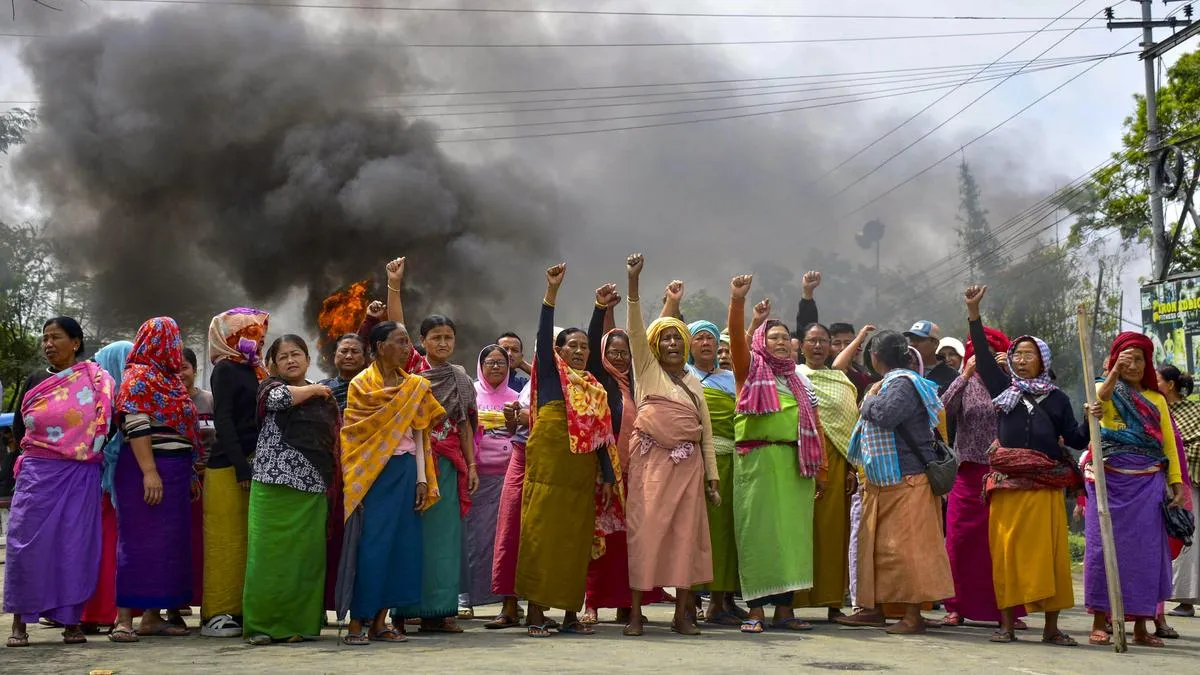
The Special Intensive Revision (SIR) of electoral rolls in Manipur, part of Phase III by the Election Commission of India, has faced criticism for disproportionately deleting voters, especially in tribal constituencies. Analysis shows that Scheduled Tribe areas, home to Kuki and Naga communities, experienced higher voter removals compared to other regions. This occurs amid ongoing ethnic conflict involving Meitei, Kuki-Zo, and Naga groups, raising concerns about transparency, bias, and potential disenfranchisement linked to political and social tensions in the state.
First-hand measurement across 2 sources
We measured how 2 outlets covered this story. Coverage leans left-leaning overall (Left 67%, Centre 28%, Right 5%). Overall sentiment is negative (28/100). Lens Score 33/100 — low public interest.
Outlets analysed (first-hand measurement by TBN's Bias Engine):
- thehindu— left-leaning framing, negative sentiment
- thehindu— left-leaning framing, negative sentiment
AI Analysis
The articles primarily present concerns from civil society and opposition perspectives about the SIR process, highlighting allegations of bias and disenfranchisement affecting tribal communities. The coverage includes government actions but focuses on criticisms related to ethnic tensions and electoral fairness, reflecting a viewpoint attentive to minority rights and electoral integrity without overt partisan framing.
The overall tone is critical and cautious, emphasizing the negative implications of the SIR process on vulnerable communities amid ethnic conflict. While factual and measured, the sentiment reflects concern over potential exclusion and social unrest, without sensationalism, maintaining a serious and investigative approach.
How 2 sources covered this story
Each source's own headline, political lean, and sentiment — so you can see framing differences at a glance.