Nitin Gadkari Defends E20 Ethanol Fuel Amid Engine Damage and Mileage Concerns
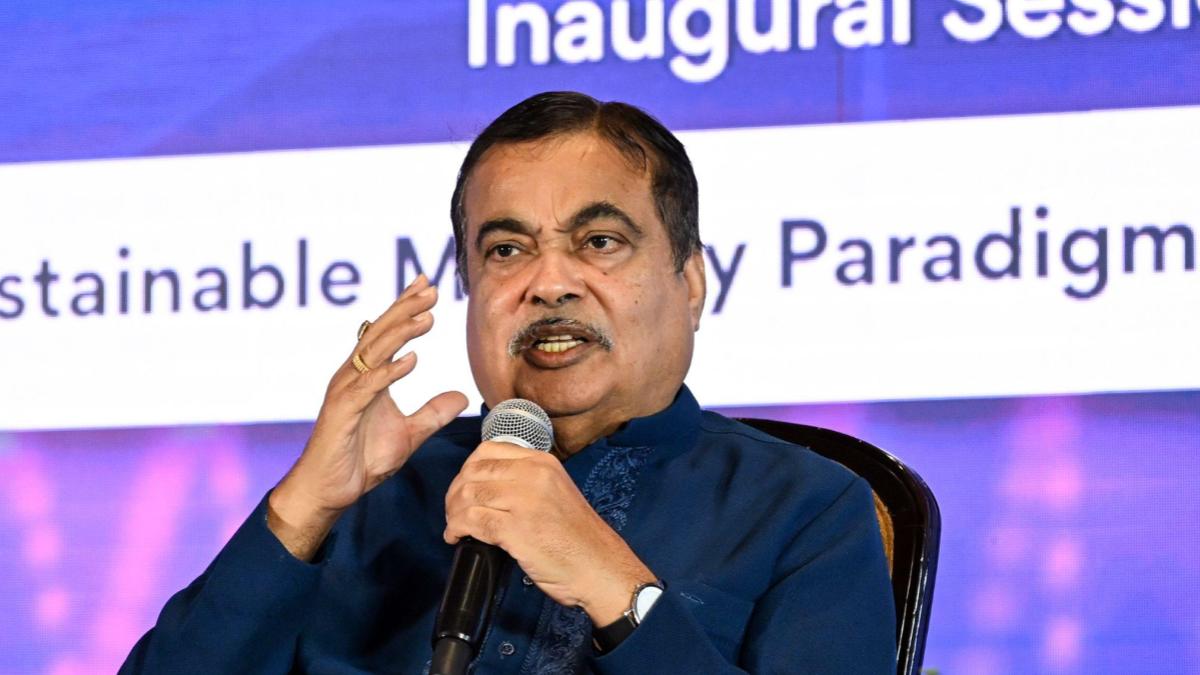
Union Minister Nitin Gadkari has strongly defended India's E20 ethanol-blended petrol programme, emphasizing its role in reducing fuel imports and pollution. He dismissed claims of engine damage and significant mileage loss as misinformation, citing studies like IIT Kanpur's that found minimal impact. Gadkari clarified that motorists can opt for 100% petrol at a higher price. Allegations of conflict of interest involving his family's ethanol business were rejected as politically motivated, with the minister noting their minimal market share and no involvement in pricing or operations. Critics, including some political figures, continue to raise concerns about engine compatibility and fuel efficiency.
First-hand measurement across 15 sources
We measured how 15 outlets covered this story. Coverage leans balanced overall (Left 11%, Centre 69%, Right 20%). Overall sentiment is neutral (61/100). Lens Score 33/100 — low public interest.
Outlets analysed (first-hand measurement by TBN's Bias Engine):
- english— balanced framing, neutral sentiment
- hindustantimes— right-leaning framing, positive sentiment
- republicworld— balanced framing, neutral sentiment
- mint— balanced framing, neutral sentiment
- hindustantimes— balanced framing, neutral sentiment
- freepressjournal— balanced framing, neutral sentiment
- english— balanced framing, neutral sentiment
- economictimes— balanced framing, neutral sentiment
AI Analysis
The article group presents perspectives primarily from government officials, especially Nitin Gadkari, who defends the ethanol blending programme and rejects conflict of interest claims. Opposition voices and critics, such as Abhijeet Dipke, express concerns about engine damage and fuel efficiency. Coverage includes scientific studies supporting the government's stance and political allegations against Gadkari, reflecting a mix of pro-government and critical viewpoints without overt editorializing.
The overall sentiment is mixed, balancing government optimism about energy security and environmental benefits with public and expert concerns over vehicle performance and fuel economy. Government statements are confident and dismissive of criticism, while opposition and consumer voices highlight negative experiences. Scientific findings provide reassurance, contributing to a nuanced tone that neither fully endorses nor condemns the ethanol blending initiative.