Nitin Gadkari Defends E20 Ethanol Petrol Amid Mileage and Safety Concerns
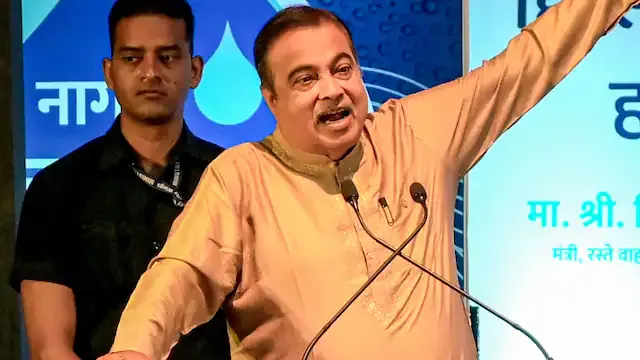
Union Minister Nitin Gadkari has defended India's nationwide rollout of E20 ethanol-blended petrol, emphasizing its role in reducing fuel imports and promoting cleaner energy. He acknowledged a possible 3-5% mileage reduction in some vehicles, especially on highways, but stated city mileage remains comparable to petrol. Gadkari dismissed claims that E20 damages engines or contains sugarcane juice attracting ants, attributing such concerns to misinformation. He urged motorists to rely on authorised dealer tests for accurate mileage measurement and encouraged reporting genuine issues through official channels.
First-hand measurement across 15 sources
We measured how 15 outlets covered this story. Coverage leans balanced overall (Left 11%, Centre 65%, Right 24%). Overall sentiment is neutral (63/100). Lens Score 33/100 — low public interest.
Outlets analysed (first-hand measurement by TBN's Bias Engine):
- mint— balanced framing, neutral sentiment
- mint— balanced framing, neutral sentiment
- news18— balanced framing, positive sentiment
- news18— right-leaning framing, positive sentiment
- news18— balanced framing, neutral sentiment
- news18— right-leaning framing, neutral sentiment
- news18— right-leaning framing, positive sentiment
- freepressjournal— balanced framing, neutral sentiment
AI Analysis
The article group predominantly features statements from Union Minister Nitin Gadkari and government sources supporting the ethanol blending policy as part of India's energy self-reliance goals. Opposition or critical voices are limited to reported public and industry concerns about mileage and vehicle compatibility. Some sources mention political motivations behind misinformation, reflecting a government perspective emphasizing policy benefits and dismissing criticism as unfounded or politically driven.
The overall tone across the articles is mixed but leans toward positive regarding the government's ethanol blending initiative. While acknowledging some reported issues like reduced mileage and public skepticism, the coverage largely focuses on official reassurances, technical clarifications, and rebuttals of misinformation. The sentiment balances concerns raised by motorists with the government's emphasis on environmental and strategic benefits, resulting in a cautiously optimistic narrative.