Sonam Wangchuk's Hunger Strike Continues Amid Historic Indian Fasting Protests
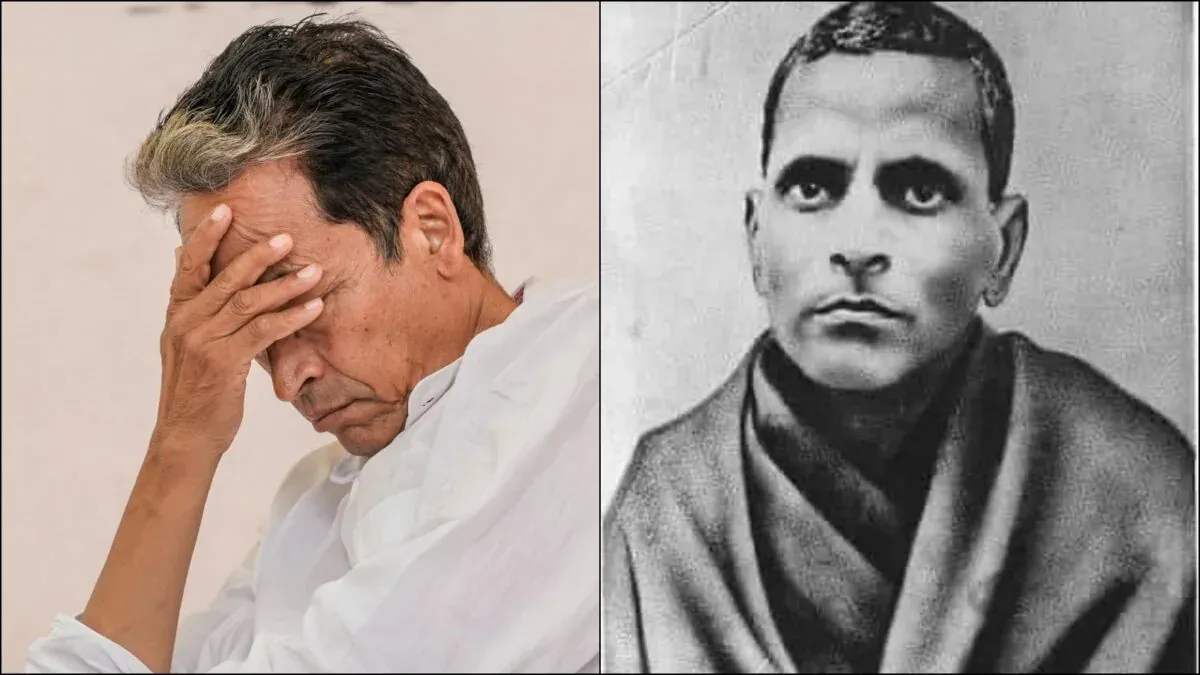
Sonam Wangchuk's hunger strike has reached its 19th day, with the activist losing significant weight and refusing to end his fast despite medical concerns and appeals. The Delhi High Court has mandated regular health checks, emphasizing the value of life. His protest draws parallels to historic Indian hunger strikes, such as Potti Sriramulu's 58-day fast leading to Andhra Pradesh's formation, Swami Nigamananda's 115-day fast against environmental issues, and Bhagat Singh's 116-day jail hunger strike advocating for political prisoners' rights, all of which had notable social or political impacts.
First-hand measurement across 2 sources
We measured how 2 outlets covered this story. Coverage leans balanced overall (Left 30%, Centre 68%, Right 2%). Overall sentiment is neutral (48/100). Lens Score 31/100 — low public interest.
Outlets analysed (first-hand measurement by TBN's Bias Engine):
- news18— balanced framing, neutral sentiment
- news18— balanced framing, neutral sentiment
AI Analysis
The articles present a factual account of Sonam Wangchuk's ongoing hunger strike alongside historical examples of hunger strikes in India, without endorsing any political stance. They highlight government responses and activist motivations, reflecting perspectives from both the protestors and official authorities, maintaining neutrality by focusing on events and outcomes rather than political judgments.
The overall tone is neutral and informative, emphasizing the seriousness of Wangchuk's fast and its health implications while contextualizing it within India's history of hunger strikes. The coverage neither sensationalizes nor downplays the protest, instead providing balanced information about the activist's resolve and the historical significance of similar actions.
How 2 sources covered this story
Each source's own headline, political lean, and sentiment — so you can see framing differences at a glance.