Sonam Wangchuk's Hunger Strike Highlights Ongoing NEET-UG Protest in India
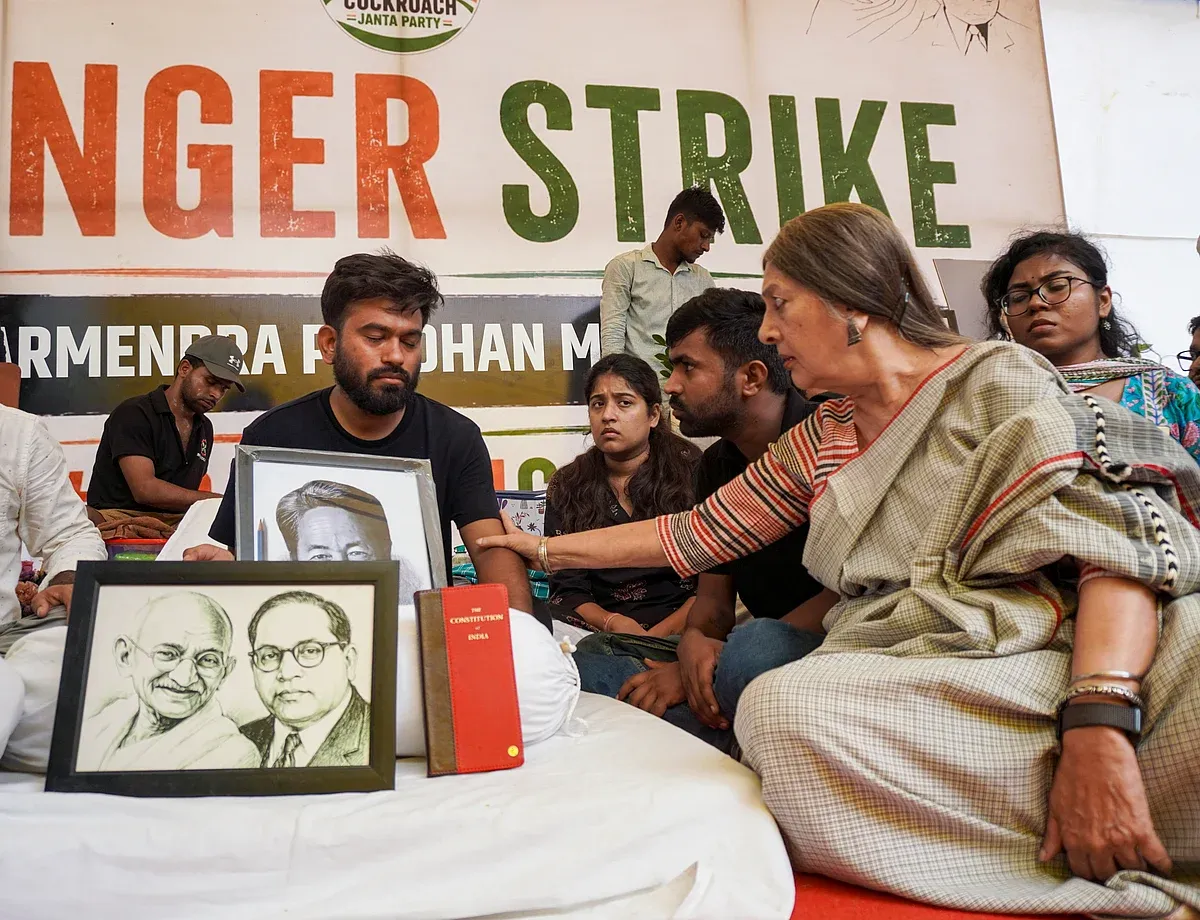
Education reform activist Sonam Wangchuk has been on an indefinite hunger strike at Delhi's Jantar Mantar for over three weeks, supporting the Cockroach Janta Party's protest against alleged NEET-UG examination irregularities. After significant weight loss and health concerns, Wangchuk was hospitalized, while CJP founder Abhijeet Dipke vowed to continue the protest. This event highlights the enduring role of hunger strikes as a form of peaceful political resistance in India.
First-hand measurement across 2 sources
We measured how 2 outlets covered this story. Coverage leans balanced overall (Left 40%, Centre 50%, Right 10%). Overall sentiment is neutral (42/100). Lens Score 31/100 — low public interest.
Outlets analysed (first-hand measurement by TBN's Bias Engine):
- news18— balanced framing, neutral sentiment
- news18— balanced framing, neutral sentiment
AI Analysis
The articles primarily present the protest from the perspective of the activists, focusing on Wangchuk's hunger strike and the CJP's demands for accountability regarding examination irregularities. They reference historical context to frame hunger strikes as a traditional political tool without endorsing any political party or government stance. The coverage remains centered on the protest's significance and health concerns without partisan framing.
The tone across the articles is serious and concerned, emphasizing Wangchuk's deteriorating health and the protest's peaceful nature. While sympathetic to the activists' cause, the coverage avoids emotional language or sensationalism, maintaining a factual and respectful tone about the ongoing hunger strike and its implications.
How 2 sources covered this story
Each source's own headline, political lean, and sentiment — so you can see framing differences at a glance.