Tamil Nadu CM Vijay Visits Karur to Support Stampede Victims, Launch Development Projects
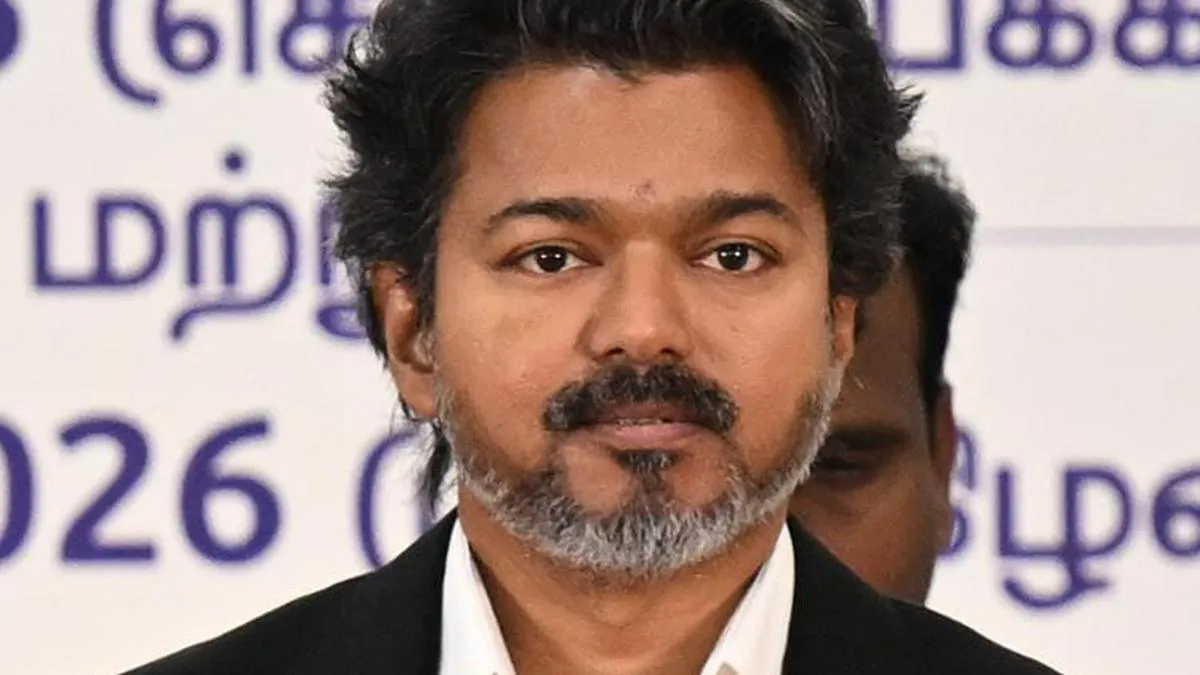
Tamil Nadu Chief Minister C. Joseph Vijay visited Karur on July 10, 2026, marking his first official visit since the September 2025 stampede at a Tamilaga Vettri Kazhagam rally that killed 41 people. He distributed compassionate government job appointment orders to 32 eligible family members and laid the foundation for a Rs 1,700 crore non-leather footwear manufacturing project expected to create 13,500 jobs. The visit included public meetings and welfare initiatives amid heightened security. Vijay criticized police for inadequate crowd management and accused the previous DMK government of politicizing the tragedy. The Madras High Court permitted the temporary job appointments, subject to judicial review, while the DMK raised concerns about potential witness influence during the visit. The event combined rehabilitation efforts with development plans and political discourse.
First-hand measurement across 11 sources
We measured how 11 outlets covered this story. Coverage leans balanced overall (Left 27%, Centre 54%, Right 19%). Overall sentiment is neutral (46/100). Lens Score 47/100 — moderate-to-low public interest.
Outlets analysed (first-hand measurement by TBN's Bias Engine):
- indianexpress— balanced framing, neutral sentiment
- thehindu— balanced framing, neutral sentiment
- thehindu— balanced framing, neutral sentiment
- ndtv— balanced framing, neutral sentiment
- thehindu— balanced framing, positive sentiment
- english— balanced framing, positive sentiment
- indiatoday— balanced framing, neutral sentiment
- news18— balanced framing, neutral sentiment
AI Analysis
The article group presents multiple political perspectives, including Chief Minister Vijay's criticism of the police and opposition DMK for their roles related to the Karur stampede. The DMK's concerns about witness tampering and legal challenges to the job appointments are also covered. Sources reflect both the ruling party's narrative emphasizing rehabilitation and development, and the opposition's focus on accountability and procedural safeguards, providing a balanced view of the political dynamics.
The overall sentiment is mixed, combining elements of solemnity and compassion regarding the stampede victims and their families with political tension and controversy. Coverage highlights the emotional impact on the Chief Minister and affected families, the government's relief efforts, and the ongoing legal and political disputes. The tone remains factual and measured, reflecting both empathy and critical scrutiny.