India Plans Nationwide Introduction of Comprehensive Sex Education Pending Supreme Court Approval
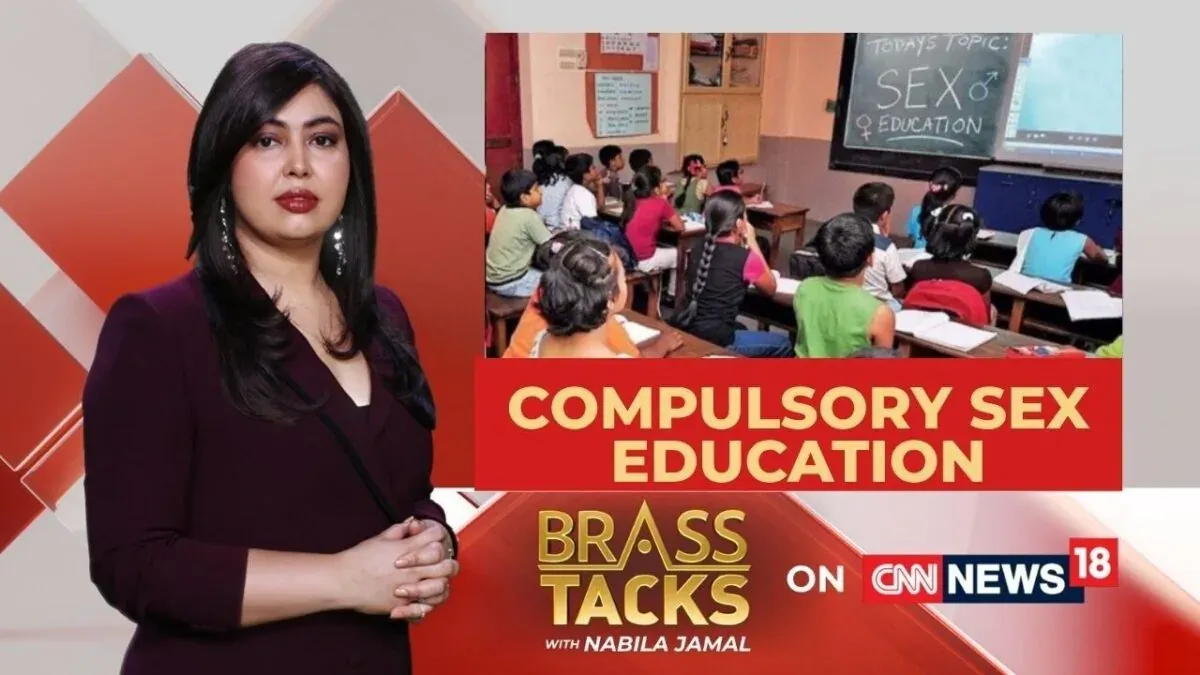
The Indian government has informed the Supreme Court that it has accepted recommendations from a 26-member expert committee to introduce comprehensive sex education in schools and colleges nationwide, pending the court's approval. The curriculum, to be developed by NCERT, will include age-appropriate lessons on personal safety, body awareness, hygiene, consent, reproductive health, and child sexual abuse awareness. This initiative follows the Supreme Court's directive to address the criminalisation of consensual adolescent relationships and minor pregnancies under the POCSO Act.
First-hand measurement across 15 sources
We measured how 15 outlets covered this story. Coverage leans balanced overall (Left 30%, Centre 65%, Right 5%). Overall sentiment is positive (68/100). Lens Score 33/100 — low public interest.
Outlets analysed (first-hand measurement by TBN's Bias Engine):
- theprint— balanced framing, neutral sentiment
- indianexpress— balanced framing, positive sentiment
- mint— balanced framing, neutral sentiment
- news18— balanced framing, positive sentiment
- indiatoday— balanced framing, neutral sentiment
- zeenews— balanced framing, positive sentiment
- news18— balanced framing, positive sentiment
- ndtv— balanced framing, positive sentiment
AI Analysis
The article group presents a largely neutral governmental perspective focused on policy implementation and legal compliance. Sources emphasize the expert committee's role and the Supreme Court's directives without partisan framing. The coverage includes official statements and expert involvement, reflecting a consensus-driven approach to adolescent education reform without highlighting political controversy or opposition viewpoints.
The overall tone across the articles is neutral to cautiously positive, highlighting a progressive policy step aimed at adolescent health and legal clarity. The coverage focuses on factual reporting of government acceptance and expert recommendations, with an emphasis on education and protection. There is minimal emotional language, and the sentiment reflects constructive development rather than criticism or controversy.