India-Pakistan Indus Waters Treaty Dispute and Regional Water Challenges
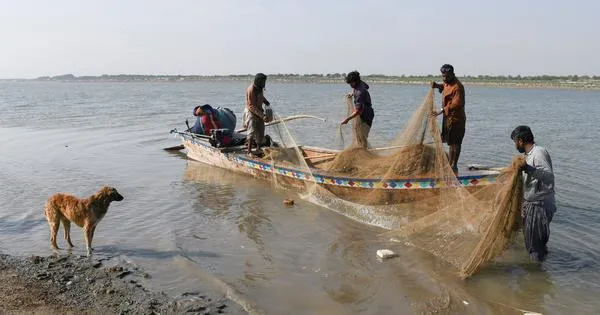
India suspended the Indus Waters Treaty (IWT) with Pakistan over a year ago, citing security concerns following a terrorist attack. Pakistan has since sought international intervention, including at the UN Security Council, to challenge India's move as illegal and warn of potential security and humanitarian impacts. India maintains the treaty remains in abeyance until Pakistan addresses terrorism concerns. Meanwhile, Jammu and Kashmir's agriculture continues to face irrigation challenges despite the treaty, with locals attributing water issues partly to the treaty's limitations and regional dynamics.
AI Analysis
The article group presents multiple perspectives: Pakistan's framing of India's suspension of the treaty as illegal and internationally concerning, and India's position linking the suspension to security and terrorism issues. Coverage includes diplomatic efforts by Pakistan at the UN and India's focus on infrastructure projects. The inclusion of local agricultural challenges in Jammu and Kashmir adds a socio-economic dimension, reflecting diverse stakeholder viewpoints without favoring either side.
The overall tone is mixed, combining Pakistan's critical stance on India's treaty suspension with India's justification based on security concerns. The coverage highlights potential risks and diplomatic tensions while also addressing ongoing agricultural difficulties in Jammu and Kashmir. The sentiment balances caution and concern without overtly negative or positive language, maintaining a neutral and informative approach.