Government Tells Supreme Court Ethanol Blending Policy Is Under Evaluation, E20 Target to Continue
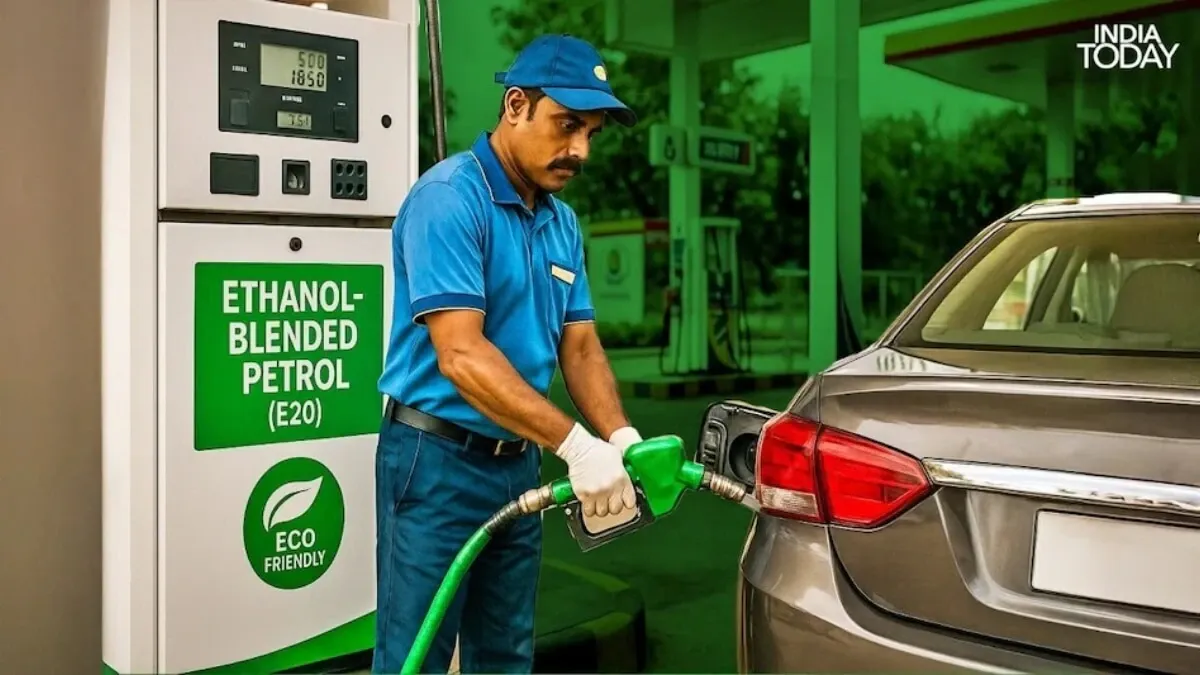
The Indian government informed the Supreme Court that the 20 per cent ethanol blending programme in petrol (E20) remains an ongoing experiment, with its full impact expected to be clearer by 2027. Attorney General R Venkataramani emphasized that while the policy is under evaluation, the government intends to maintain the 20 per cent blending target. The programme aims to enhance energy security, support farmers, and reduce emissions. The court is hearing a petition by BPCL challenging a Karnataka High Court order on ethanol allocation for 2025-26, with the government seeking a consolidated hearing due to multiple pending cases.
First-hand measurement across 4 sources
We measured how 4 outlets covered this story. Coverage leans balanced overall (Left 10%, Centre 80%, Right 10%). Overall sentiment is neutral (61/100). Lens Score 34/100 — low public interest.
Outlets analysed (first-hand measurement by TBN's Bias Engine):
- freepressjournal— balanced framing, neutral sentiment
- english— balanced framing, neutral sentiment
- oneindia— balanced framing, neutral sentiment
- indiatoday— balanced framing, neutral sentiment
AI Analysis
The articles primarily present the government's perspective, emphasizing its defense of the ethanol blending policy as beneficial for energy security, farmers, and the environment. Opposition viewpoints are limited to BPCL's legal challenge regarding ethanol allocation. Coverage focuses on legal proceedings and policy evaluation without partisan framing, reflecting a predominantly official and procedural narrative.
The overall tone across the articles is neutral to cautiously optimistic, highlighting the government's commitment to the ethanol blending programme while acknowledging ongoing evaluation and legal challenges. There is no overt criticism or praise; instead, the coverage balances policy intentions with procedural developments and pending assessments.
How 4 sources covered this story
Each source's own headline, political lean, and sentiment — so you can see framing differences at a glance.