3 hours agoPolitics
44LENS
1 SourcesIndia
 thebalanced.news
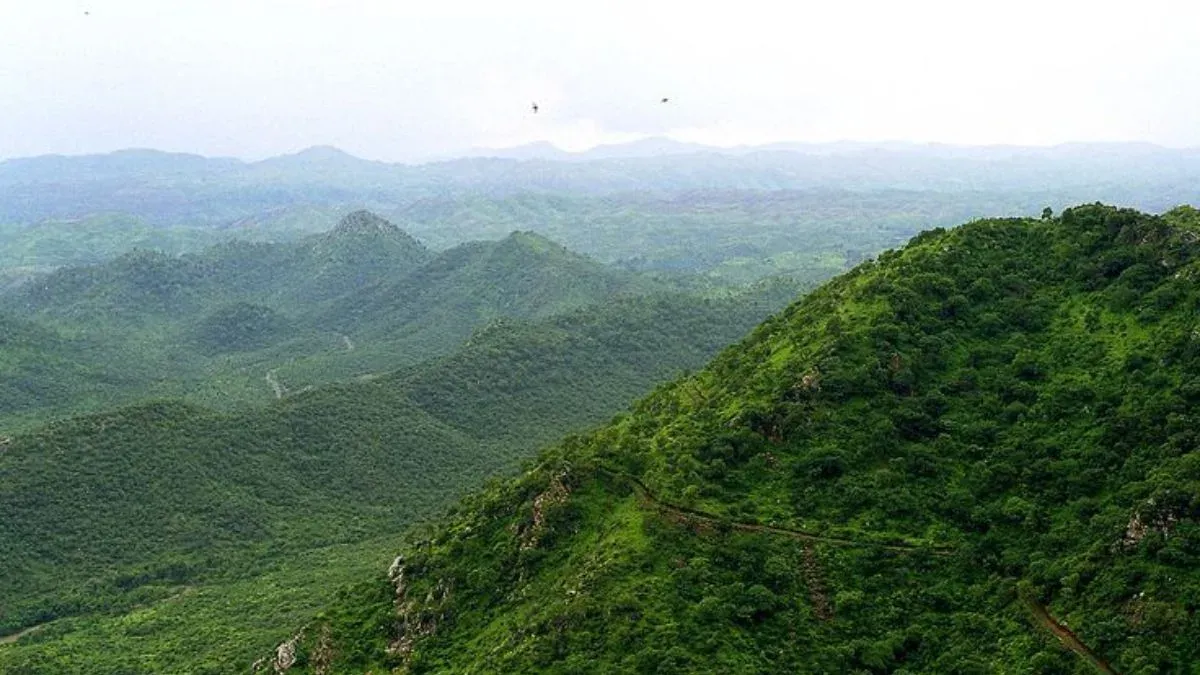
Aravalli Hills Debate: Ecological Value vs. Administrative Definition
A renewed debate over the Aravalli hills highlights a conflict between ecological complexity and administrative simplicity in India's environmental governance. The Aravallis, an ancient mountain system, provide crucial ecological services like slowing desertification and recharging aquifers, despite their low-lying, scrub-covered terrain. Policymakers risk overlooking their value by focusing on visible elevation, potentially fragmenting the landscape through mining and construction. While a uniform definition aims for regulatory clarity, critics argue it could undermine the continuous ecological fabric essential for regional habitability and climate resilience.
Political Bias
30%40%30%
Sentiment
45%