China's River Projects in South Asia Raise Environmental and Strategic Concerns
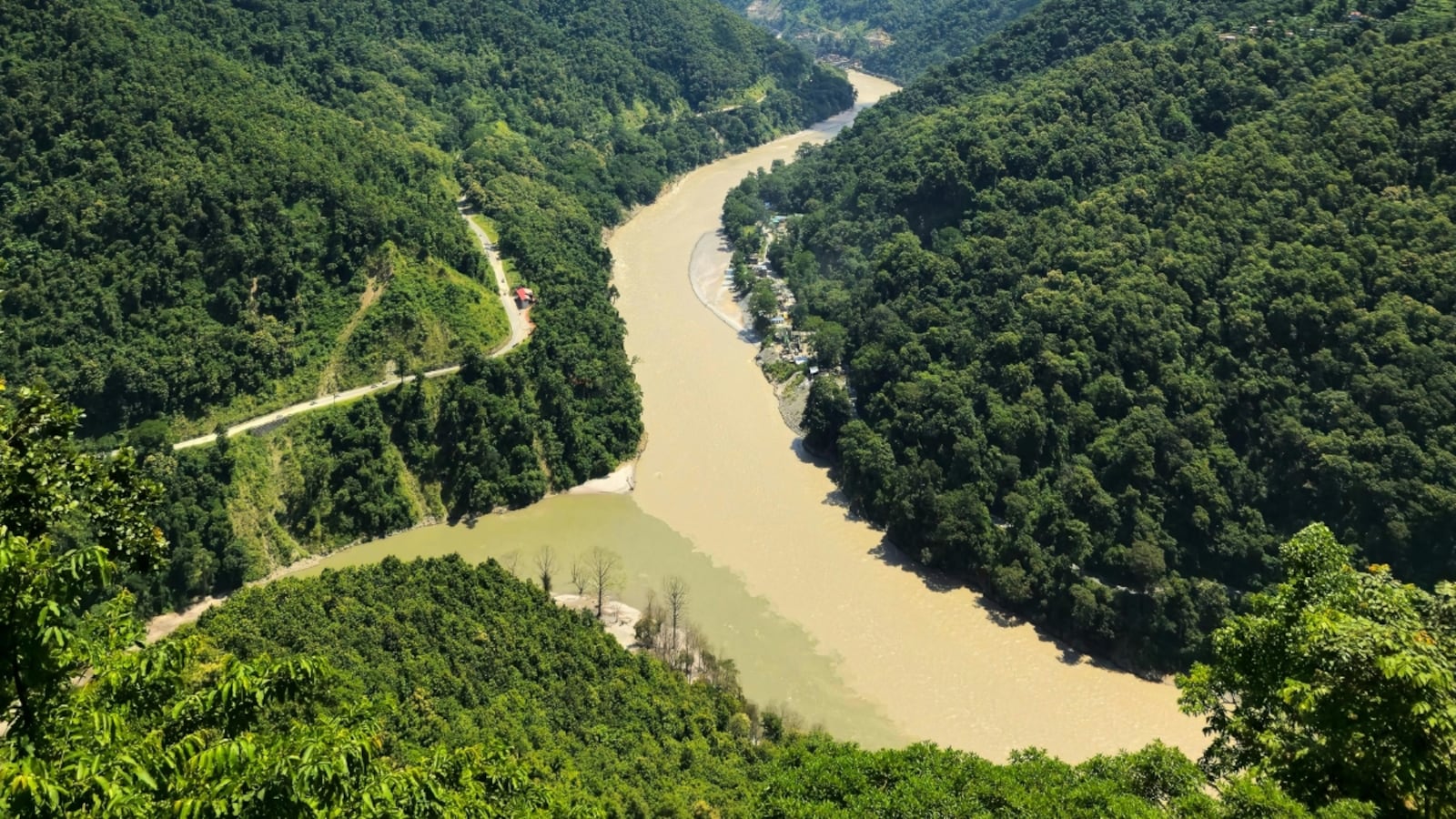
China's expanding involvement in river management projects in South Asia includes the restoration of Bangladesh's Teesta River system and the construction of a large hydroelectric dam on the Yarlung Zangbo (Brahmaputra) River in Tibet. While China emphasizes technical cooperation and energy generation, India and Bangladesh express concerns about potential ecological impacts, altered water flows, and increased dependency on Chinese technology. The projects raise strategic and environmental questions for downstream countries reliant on these transboundary rivers.
First-hand measurement across 2 sources
We measured how 2 outlets covered this story. Coverage leans balanced overall (Left 20%, Centre 72%, Right 8%). Overall sentiment is neutral (42/100). Lens Score 29/100 — low public interest.
Outlets analysed (first-hand measurement by TBN's Bias Engine):
- ndtv— balanced framing, neutral sentiment
- ndtv— balanced framing, neutral sentiment
AI Analysis
The articles primarily present perspectives from Indian and Bangladeshi viewpoints, highlighting concerns over China's growing influence in regional water management. Chinese official positions emphasizing cooperation and energy benefits are noted but less emphasized. The framing reflects regional geopolitical sensitivities, with Indian sources focusing on strategic implications and Bangladesh sources on dependency and environmental risks, providing a balanced view of competing interests.
The overall tone is cautious and concerned, reflecting apprehension about environmental and strategic consequences of China's river projects. While acknowledging China's stated intentions of cooperation and development, the coverage underscores potential risks and uncertainties for downstream countries. The sentiment is mixed, combining recognition of technical collaboration with wariness about long-term impacts and sovereignty issues.