Drones, AI, and Cyber Threats Reshape Modern Warfare and Infrastructure Security
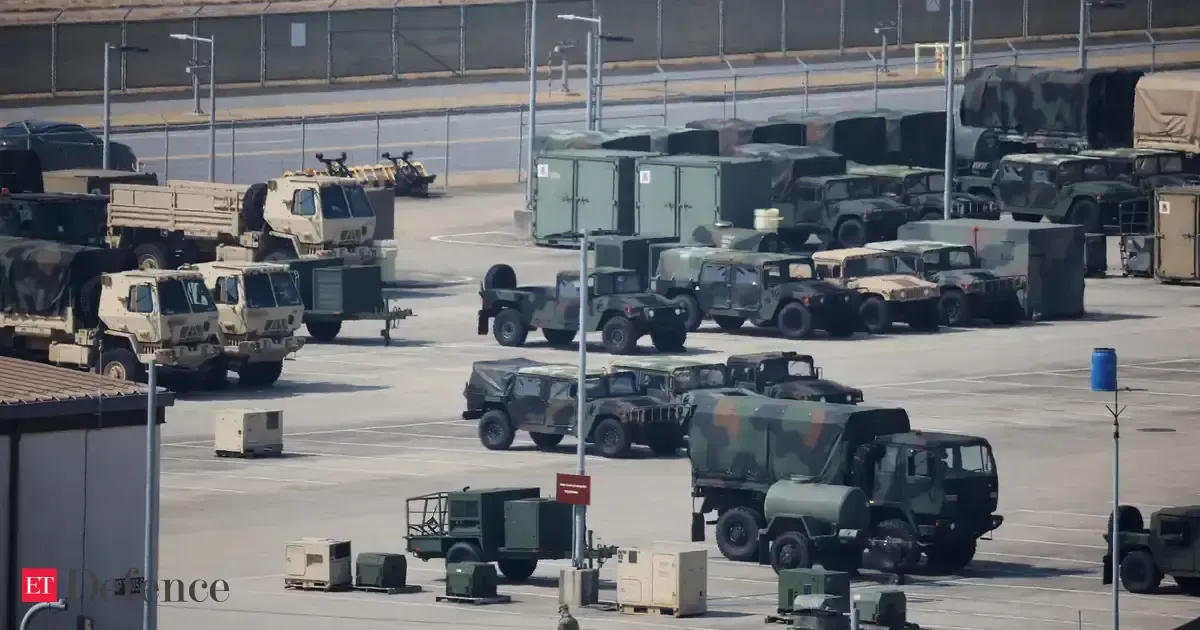
Recent warfare developments highlight the growing impact of drones, artificial intelligence, and cyber threats on military and civilian infrastructure. Ukraine's extensive use of drones has inflicted significant damage on Russian forces, including naval vessels and air-defense systems, while Iran's missile strikes have targeted both military and civilian assets. This evolving conflict blurs lines between national and corporate security, prompting debates over infrastructure protection and the costs borne by governments and businesses amid ongoing hostilities.
First-hand measurement across 3 sources
We measured how 3 outlets covered this story. Coverage leans balanced overall (Left 13%, Centre 80%, Right 7%). Overall sentiment is neutral (47/100). Lens Score 31/100 — low public interest.
Outlets analysed (first-hand measurement by TBN's Bias Engine):
- economictimes— balanced framing, neutral sentiment
- hindustantimes— balanced framing, neutral sentiment
- hindustantimes— balanced framing, neutral sentiment
AI Analysis
The articles present multiple perspectives, including military analysts emphasizing technological shifts in warfare, Ukrainian officials highlighting their drone campaigns against Russia, and corporate voices concerned about infrastructure security amid conflict. Coverage balances views on military strategy, national security, and economic implications without favoring any political side, reflecting a broad spectrum of stakeholders affected by evolving warfare dynamics.
The overall tone is analytical and cautious, focusing on the challenges posed by new military technologies and their effects on both combatants and civilian sectors. While acknowledging Ukraine's tactical successes and the threats to traditional military dominance, the coverage also highlights uncertainties and concerns about infrastructure vulnerabilities, resulting in a mixed but measured sentiment.