Centre Consults Regional Parties on New Delimitation Bill Ahead of 2029 Elections
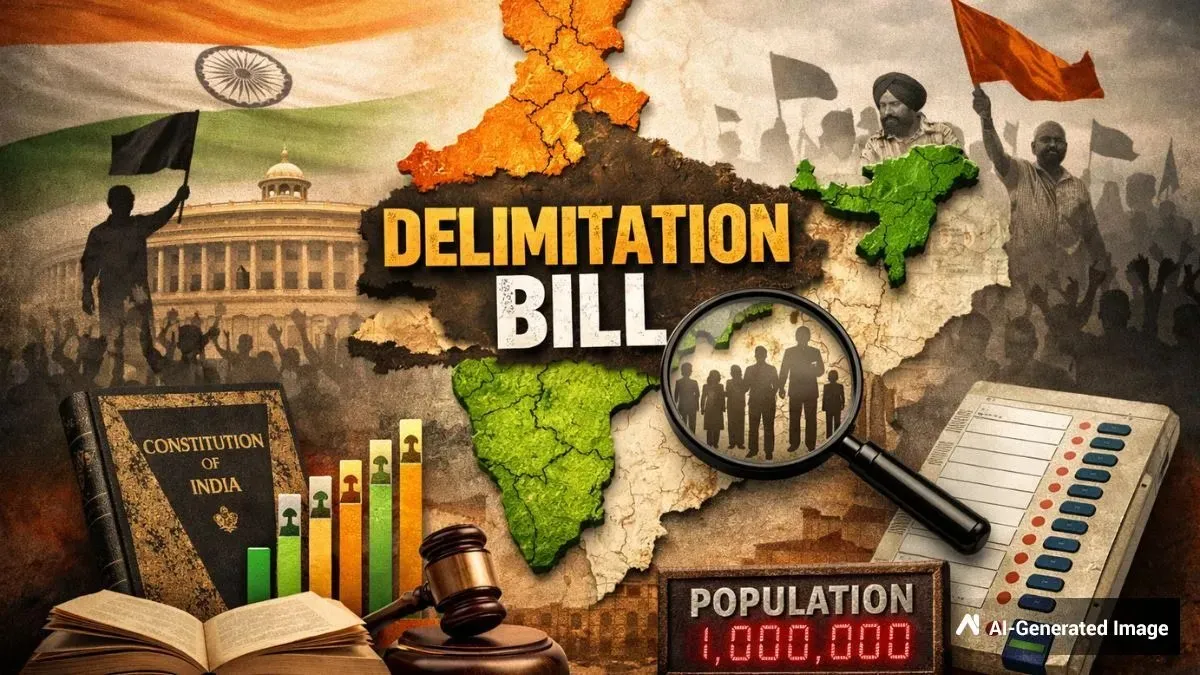
The Central Government has initiated consultations with regional parties, including the DMK and Trinamool Congress, to build consensus for a fresh delimitation exercise ahead of the 2029 Lok Sabha elections. The process aims to redraw parliamentary and assembly constituencies based on updated population data, potentially altering seat allocations among states. The government is exploring a new bill and seeking a formula that addresses concerns from states with controlled population growth to ensure broader political acceptance before legislative action.
First-hand measurement across 7 sources
We measured how 7 outlets covered this story. Coverage leans balanced overall (Left 20%, Centre 70%, Right 10%). Overall sentiment is neutral (54/100). Lens Score 33/100 — low public interest.
Outlets analysed (first-hand measurement by TBN's Bias Engine):
- opindia— balanced framing, neutral sentiment
- republicworld— balanced framing, neutral sentiment
- httpswwwoutlookindiacom— balanced framing, neutral sentiment
- indiatoday— balanced framing, neutral sentiment
- ndtv— balanced framing, neutral sentiment
- oneindia— balanced framing, neutral sentiment
- ndtv— balanced framing, neutral sentiment
AI Analysis
The article group presents perspectives primarily from the Central Government and regional political parties like the DMK and Trinamool Congress, focusing on their consultations and concerns. Coverage emphasizes the government's efforts to build consensus and address states' apprehensions about seat redistribution. There is balanced representation of the political sensitivity surrounding delimitation without favoring any party or ideology.
The overall tone across the articles is neutral to cautiously optimistic, highlighting the government's proactive outreach and the willingness of some regional parties to engage in discussions. While acknowledging the political sensitivity and past legislative challenges, the coverage avoids sensationalism and focuses on procedural developments and consensus-building efforts.