US Supreme Court Upholds States' Counting of Late-Arriving Mail-In Ballots
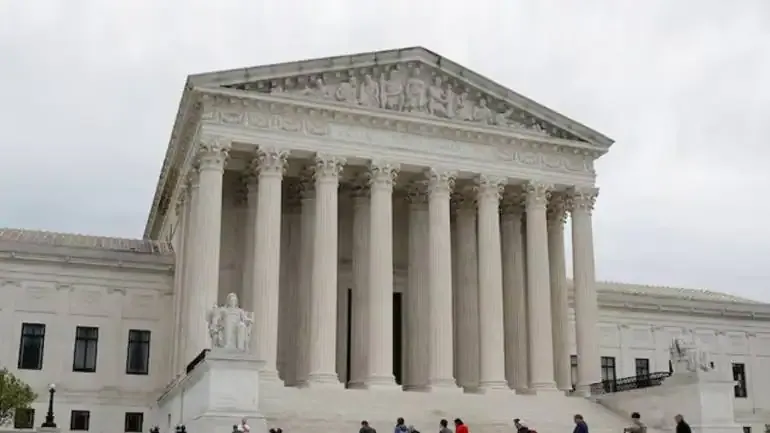
The US Supreme Court ruled 5-4 that states can count mail-in ballots postmarked by Election Day but received within a grace period after the election, upholding a Mississippi law allowing ballots arriving up to five days late. The decision rejects a Republican challenge led by former President Trump, who criticized the ruling as detrimental and renewed calls for tighter voting rules. The ruling affects about 30 states and could influence the upcoming midterm elections, with the majority opinion emphasizing that federal law sets the voting day but not ballot receipt deadlines.
First-hand measurement across 11 sources
We measured how 11 outlets covered this story. Coverage leans left-leaning overall (Left 59%, Centre 35%, Right 6%). Overall sentiment is neutral (50/100). Lens Score 36/100 — moderate-to-low public interest.
Outlets analysed (first-hand measurement by TBN's Bias Engine):
- news18— balanced framing, neutral sentiment
- mint— left-leaning framing, neutral sentiment
- moneycontrol— left-leaning framing, neutral sentiment
- moneycontrol— left-leaning framing, neutral sentiment
- moneycontrol— left-leaning framing, neutral sentiment
- moneycontrol— left-leaning framing, neutral sentiment
- moneycontrol— left-leaning framing, neutral sentiment
- moneycontrol— left-leaning framing, neutral sentiment
AI Analysis
The article group presents perspectives from both the Supreme Court majority and dissenting justices, as well as reactions from former President Trump and his supporters. The majority opinion supports state discretion in counting late ballots, while dissenters and Trump emphasize concerns about election integrity. Coverage includes legal reasoning and political implications without endorsing any viewpoint, reflecting a balanced presentation of the dispute over mail-in voting rules.
The overall tone is mixed, combining the court's legal affirmation of state voting procedures with critical responses from Trump and allies who view the ruling negatively. The coverage highlights the ruling as a setback for Republican efforts to restrict mail-in voting, while also noting the court's rationale and the potential impact on election administration. This blend of factual reporting and contrasting reactions results in a neutral to cautiously critical sentiment.