US and Iran Sign Memorandum to Begin Negotiations After Conflict
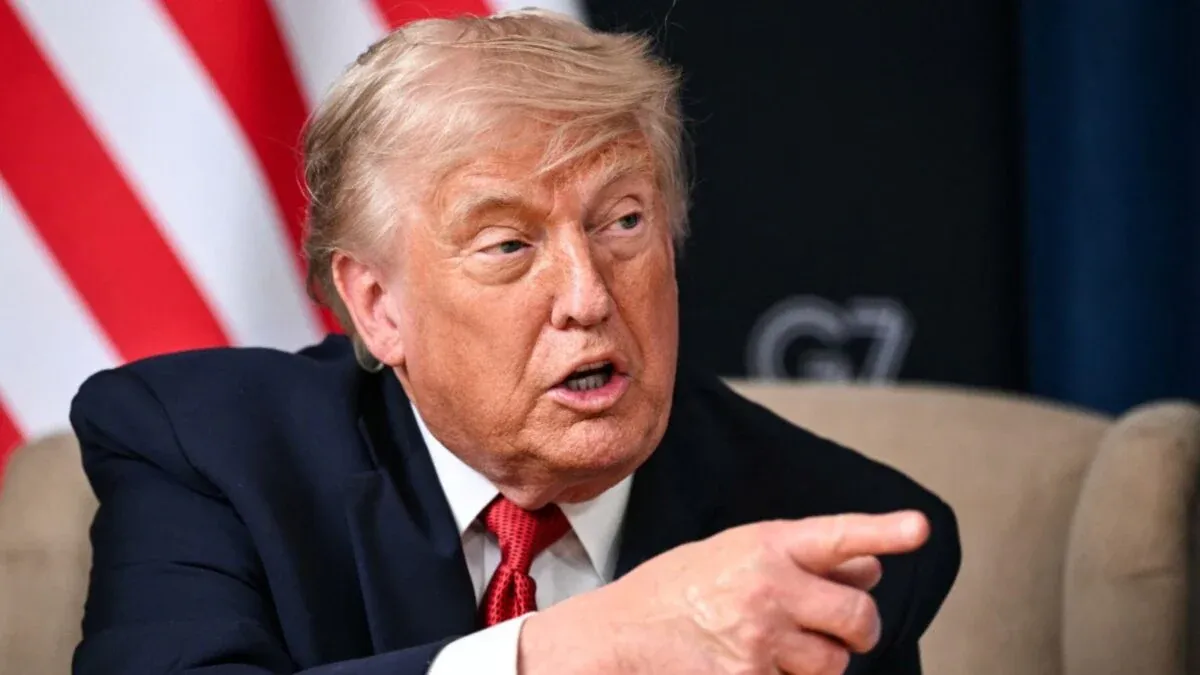
The United States and Iran have signed a memorandum of understanding initiating a 60-day negotiation period aimed at resolving key issues including regional security, sanctions, and Iran's nuclear program. President Donald Trump described the agreement as an "unconditional surrender" by Iran and asserted his power has "no limits," framing the deal as a diplomatic victory. However, some analysts view the outcome as a strategic compromise, with debates over which side gained more. The deal also includes reopening the Strait of Hormuz, a vital oil shipping route.
First-hand measurement across 5 sources
We measured how 5 outlets covered this story. Coverage leans balanced overall (Left 16%, Centre 76%, Right 8%). Overall sentiment is neutral (51/100). Lens Score 29/100 — low public interest.
Outlets analysed (first-hand measurement by TBN's Bias Engine):
- news18— balanced framing, neutral sentiment
- news18— balanced framing, neutral sentiment
- wion— balanced framing, neutral sentiment
- firstpost— balanced framing, neutral sentiment
- timesnow— balanced framing, neutral sentiment
AI Analysis
The article group presents a range of perspectives, including President Trump's framing of the agreement as a decisive US victory and Iran's perceived diplomatic gains. Coverage includes official US statements emphasizing strength and control, alongside critical analyses questioning the extent of US success and highlighting Iran's negotiation resilience. This mix reflects both pro-administration and more skeptical viewpoints without endorsing either side.
The overall tone across the articles is mixed, combining elements of triumph and compromise. While Trump's comments convey confidence and assertiveness, other sources and analyses suggest a more nuanced outcome with unresolved issues and strategic concessions. The sentiment balances between portraying the deal as a breakthrough and acknowledging ongoing challenges and differing interpretations.