2 hours agoPolitics
35LENS
3 SourcesIran
 thebalanced.news
Analysis Estimates Five Million Tonnes of CO2 Emitted in Two Weeks of US-Israel Conflict with Iran
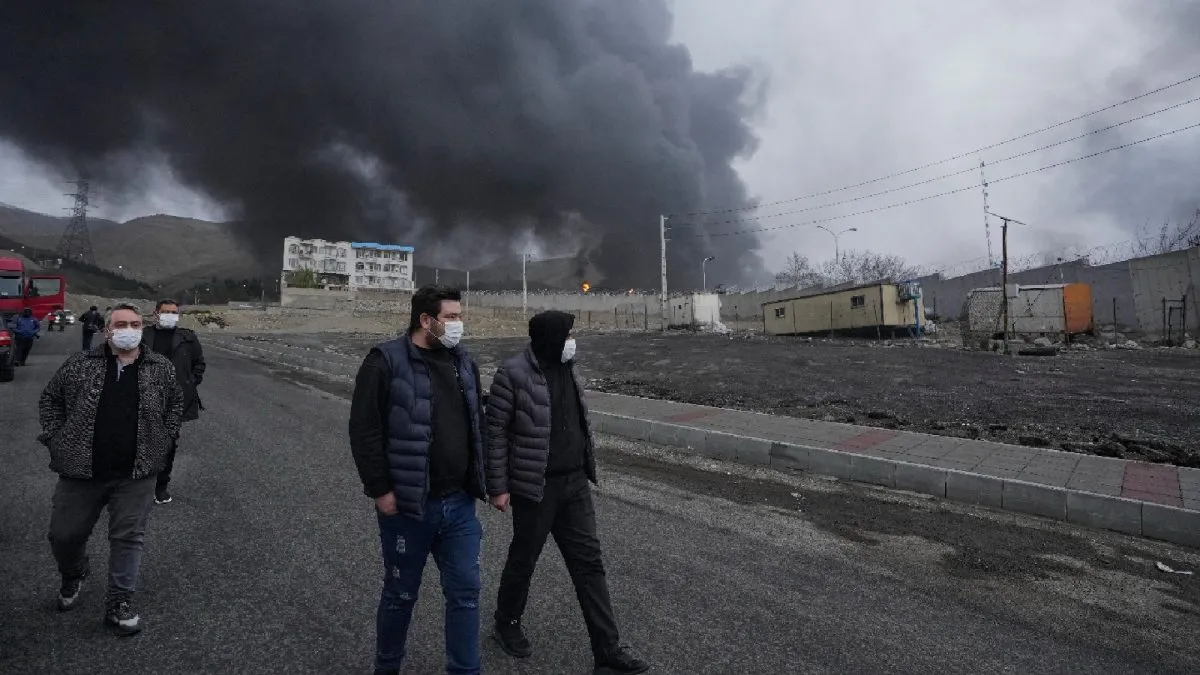
A recent climate-focused analysis estimates that the US-Israel conflict with Iran has released approximately five million tonnes of greenhouse gas emissions over two weeks, surpassing the combined emissions of 84 countries. The destruction of around 20,000 civilian buildings contributed an estimated 2.4 million tonnes of CO2 equivalent. Additional emissions stem from destroyed oil facilities, military equipment losses, and fuel consumption by aircraft and naval fleets. Experts highlight the environmental impact, including toxic acid rain and accelerated depletion of the global carbon budget.
Political Bias
60%35%5%
Sentiment
25%
21 stories available
View AI Analysis
Bias Analysis: The articles primarily present an environmental analysis of the US-Israel conflict with Iran, focusing on greenhouse gas emissions and ecological consequences. They include expert commentary without attributing blame or political judgment. Both sources emphasize the environmental costs linked to military actions by all parties involved, maintaining a factual and neutral framing centered on climate impact rather than geopolitical perspectives.
Sentiment: The overall tone across the articles is cautionary and concerned regarding environmental damage caused by the conflict. The coverage highlights negative ecological effects such as increased emissions and pollution but refrains from emotive language or assigning fault. The sentiment is predominantly negative about the environmental consequences while maintaining an objective and analytical approach.
Lens Score: 35/100 — Story is receiving appropriate media attention. Public interest: 0/100. Coverage gap: 100%.
Accountability Flags: environmental violation.
Related Coverage
Select a news story to see related coverage from other media outlets.