US Senate Revises Russia Sanctions Bill, Lowers Tariff Threat on India and China
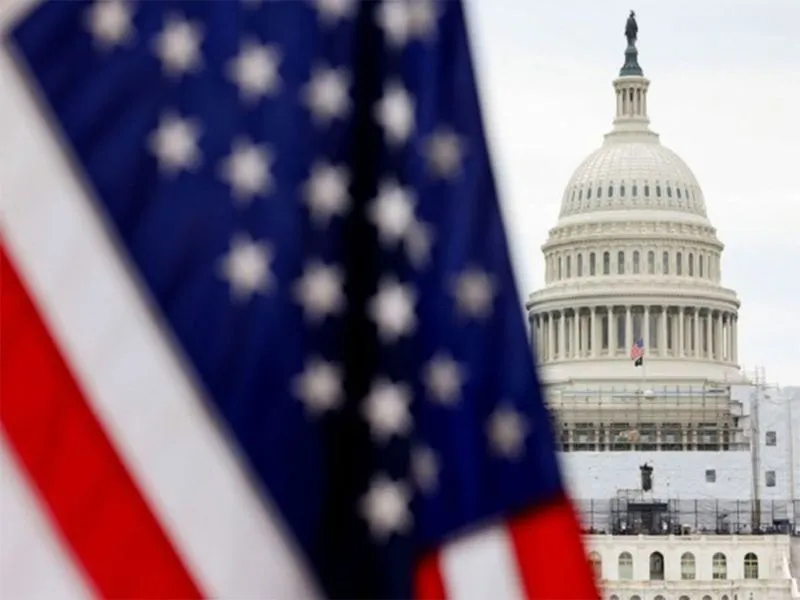
A bipartisan US Senate bill, backed by President Donald Trump and championed by the late Senator Lindsey Graham, proposes sanctions on Russia and tariffs on countries buying Russian oil. Initially, the bill threatened up to 500% tariffs on major buyers like India and China, but a revised version lowers this to a maximum of 100% tariffs targeting the top five purchasers. The legislation also includes exemptions for countries reducing Russian gas imports and broader sanctions on Russia's economy. It awaits Congressional approval.
First-hand measurement across 15 sources
We measured how 15 outlets covered this story. Coverage leans balanced overall (Left 21%, Centre 71%, Right 8%). Overall sentiment is neutral (45/100). Lens Score 40/100 — moderate-to-low public interest.
Outlets analysed (first-hand measurement by TBN's Bias Engine):
- ndtv— balanced framing, neutral sentiment
- english— balanced framing, neutral sentiment
- republicworld— balanced framing, neutral sentiment
- economictimes— balanced framing, neutral sentiment
- hindustantimes— balanced framing, neutral sentiment
- mint— balanced framing, neutral sentiment
- firstpost— balanced framing, neutral sentiment
- thefinancialexpress— balanced framing, neutral sentiment
AI Analysis
The article group presents bipartisan perspectives, highlighting Republican and Democratic senators' roles in crafting the sanctions bill. Coverage includes statements from both parties and the Trump administration, reflecting a consensus on pressuring Russia economically while acknowledging legislative negotiations and adjustments. Indian viewpoints are noted mainly in the context of trade impact, maintaining a neutral framing without partisan emphasis.
The overall tone is factual and measured, focusing on legislative developments and policy implications. While some articles note potential economic impacts on India and China, the sentiment remains neutral, emphasizing the bill's evolution and diplomatic considerations rather than expressing overtly positive or negative judgments.
How 15 sources covered this story
Each source's own headline, political lean, and sentiment — so you can see framing differences at a glance.