US Senate Proposes Russia Sanctions Bill with Up to 100 Tariffs on India and Others
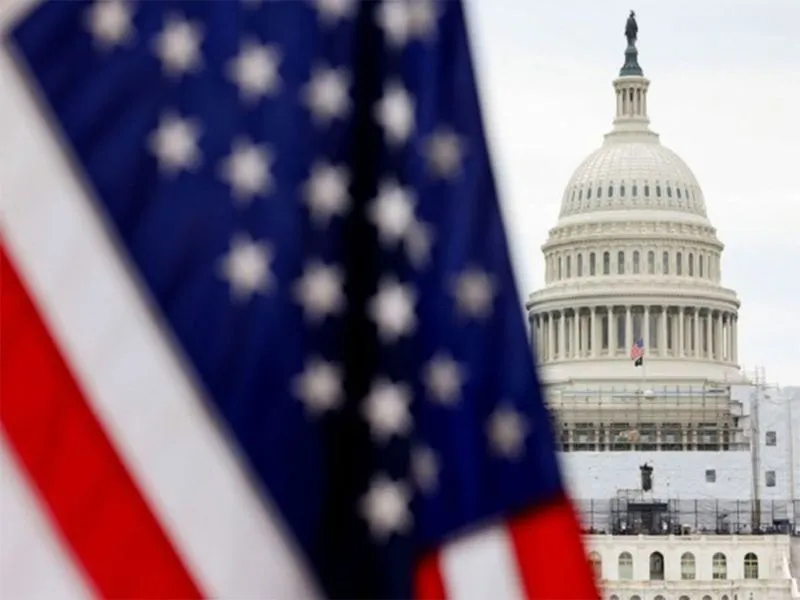
A bipartisan US Senate bill, initially championed by the late Senator Lindsey Graham and supported by President Donald Trump, proposes sanctions on Russia and authorizes tariffs of up to 100 percent on the five largest buyers of Russian oil and gas, including India and China. The revised legislation reduces the original 500 percent tariff threat and includes exemptions for countries importing less than 15 percent of Russian natural gas while taking steps to reduce dependence. The bill aims to pressure Moscow by targeting its energy revenues and economy, with the exact tariff rates to be set by the US Trade Representative. It awaits approval from both the Senate and House before presidential signature.
First-hand measurement across 15 sources
We measured how 15 outlets covered this story. Coverage leans balanced overall (Left 18%, Centre 74%, Right 8%). Overall sentiment is neutral (46/100). Lens Score 40/100 — moderate-to-low public interest.
Outlets analysed (first-hand measurement by TBN's Bias Engine):
- swarajyamag— balanced framing, neutral sentiment
- httpswwwoutlookindiacom— balanced framing, neutral sentiment
- english— balanced framing, neutral sentiment
- thetelegraph— balanced framing, neutral sentiment
- oneindia— balanced framing, neutral sentiment
- thehindu— balanced framing, neutral sentiment
- thetribune— balanced framing, neutral sentiment
- hindustantimes— balanced framing, neutral sentiment
AI Analysis
The article group presents a range of perspectives primarily from US political figures and institutions, including bipartisan senators and the White House, emphasizing legislative developments and diplomatic strategies. Coverage includes statements from both Republican and Democratic lawmakers, reflecting a consensus on sanctioning Russia while highlighting differing emphases on tariff levels and exemptions. Indian viewpoints are noted mainly in the context of trade and energy policy, with no overt partisan framing.
The overall tone across the articles is neutral to cautiously informative, focusing on legislative progress and diplomatic negotiations without emotive language. While the sanctions and tariff proposals imply economic pressure, the coverage balances this with details on tariff reductions and exemptions, presenting the developments as part of ongoing geopolitical and trade dynamics rather than as a crisis or conflict escalation.