Courts Address AI Use in Legal Research Amid Calls for Verification and Regulation
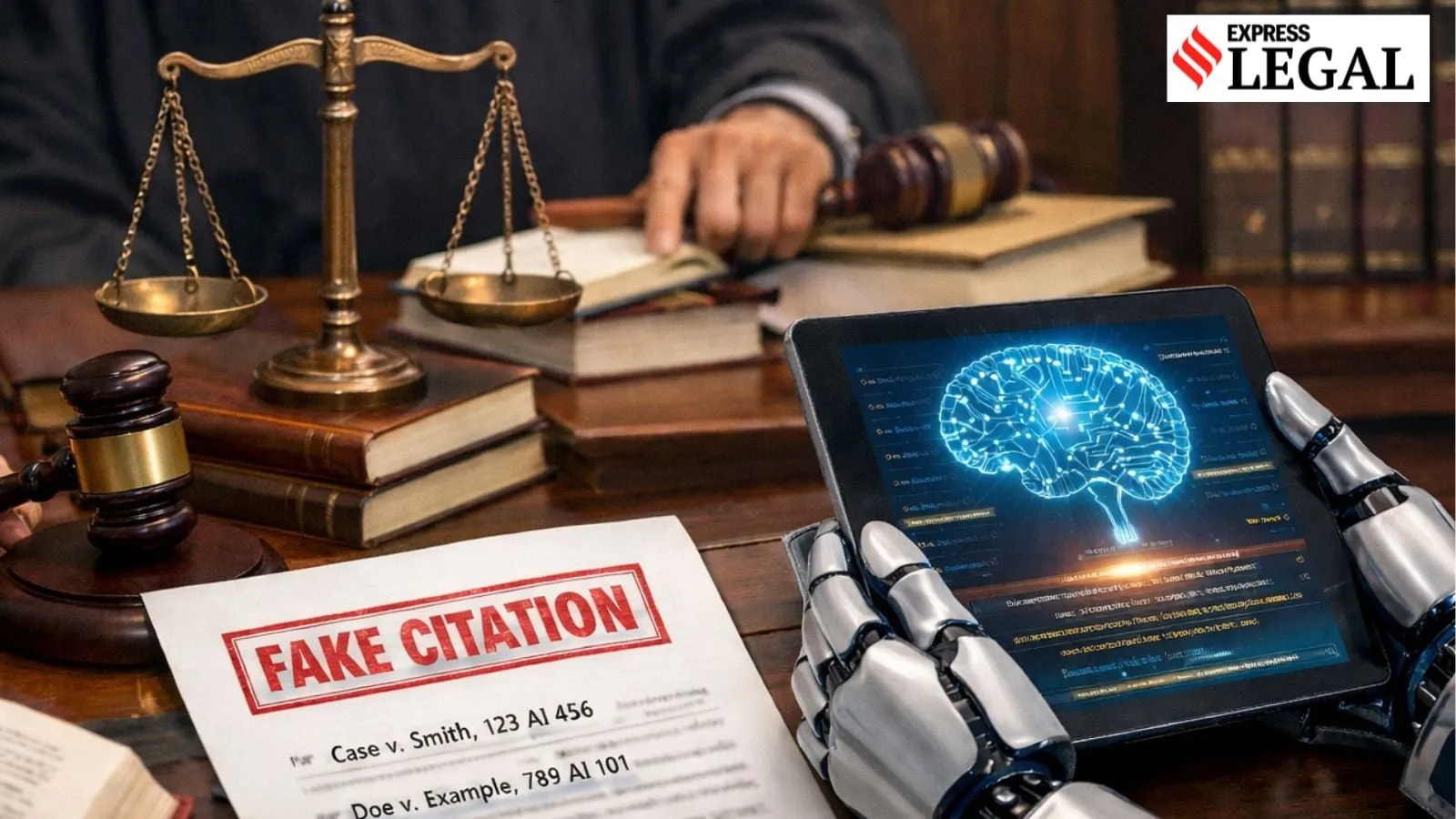
Courts in India and the US are addressing challenges posed by AI use in legal proceedings. The Jammu and Kashmir High Court cautioned judges against relying on AI-generated legal research without independent verification after finding incorrect citations. Similarly, a US federal judge disqualified lawyers for submitting AI-generated briefs with fake citations. Meanwhile, India's Supreme Court is drafting regulations to integrate AI in judicial administration, aiming to improve efficiency and reduce case backlogs while emphasizing human oversight.
First-hand measurement across 3 sources
We measured how 3 outlets covered this story. Coverage leans balanced overall (Left 7%, Centre 90%, Right 3%). Overall sentiment is neutral (55/100). Lens Score 35/100 — moderate-to-low public interest.
Outlets analysed (first-hand measurement by TBN's Bias Engine):
- indianexpress— balanced framing, neutral sentiment
- ndtv— balanced framing, neutral sentiment
- businessstandard— balanced framing, positive sentiment
AI Analysis
The articles collectively present a neutral view focusing on judicial institutions' responses to AI in legal contexts. They include perspectives from Indian and US courts highlighting concerns about AI's limitations and the need for oversight, as well as regulatory efforts in India. The coverage avoids partisan framing, emphasizing procedural and administrative aspects rather than political debate.
The overall tone is cautious and pragmatic, acknowledging both the risks of unverified AI use—such as fake citations and legal errors—and the potential benefits of AI in improving court efficiency. The sentiment balances concern over misuse with recognition of ongoing efforts to responsibly integrate AI, resulting in a measured and informative narrative.
How 3 sources covered this story
Each source's own headline, political lean, and sentiment — so you can see framing differences at a glance.