Union Cabinet Approves Rs 25,446 Crore Elevated Highway Corridors to Decongest Varanasi
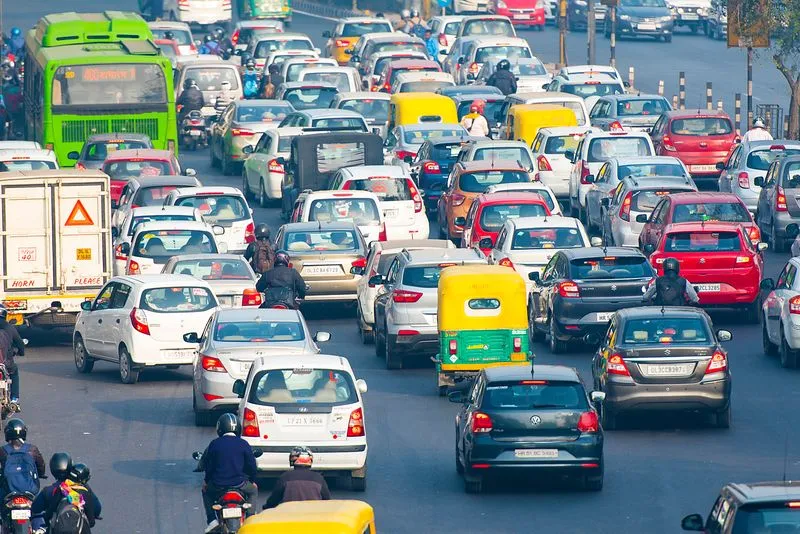
The Union Cabinet, chaired by Prime Minister Narendra Modi, approved two elevated highway corridor projects in Varanasi totaling around Rs 25,446 crore to ease traffic congestion and improve connectivity. The first is a 43.218-km corridor linking NH-31 with the Varanasi Ring Road along the Varuna River, costing about Rs 10,998 crore. The second is a 46.039-km corridor connecting NH-19 with the ring road along the Ganga River, costing approximately Rs 14,447 crore. Both projects, implemented by NHAI under the Hybrid Annuity Model, feature multi-lane elevated roads, flyovers, ramps, and bridges, including a cable-stayed bridge on the Ganga corridor. Designed for speeds of 80-100 kmph, they aim to halve travel times, enhance regional transport, support tourism, and improve access to key landmarks and transport hubs in Varanasi.
First-hand measurement across 15 sources
We measured how 15 outlets covered this story. Coverage leans balanced overall (Left 10%, Centre 66%, Right 24%). Overall sentiment is positive (74/100). Lens Score 31/100 — low public interest.
Outlets analysed (first-hand measurement by TBN's Bias Engine):
- freepressjournal— right-leaning framing, positive sentiment
- businessstandard— balanced framing, positive sentiment
- thehindu— right-leaning framing, positive sentiment
- economictimes— balanced framing, positive sentiment
- thetribune— balanced framing, positive sentiment
- thefinancialexpress— balanced framing, positive sentiment
- news18— right-leaning framing, positive sentiment
- swarajyamag— balanced framing, positive sentiment
AI Analysis
The article group predominantly reflects official government perspectives, emphasizing infrastructure development and urban mobility improvements in Varanasi. Sources highlight the Cabinet's role and statements from government officials, portraying the projects as beneficial for residents and tourism. There is limited representation of opposition or critical viewpoints, focusing mainly on the government's development agenda and technical details of the projects.
The overall tone across the articles is positive, highlighting the projects as transformative infrastructure initiatives aimed at easing congestion and boosting connectivity. Coverage emphasizes anticipated benefits such as reduced travel times, improved safety, and economic growth. There is minimal critical or negative sentiment, with most sources presenting the developments as favorable for Varanasi's urban and cultural landscape.