India Launches AIR SUVIDHA 2.0 Portal for Ebola-Related Health Screening of International Travellers
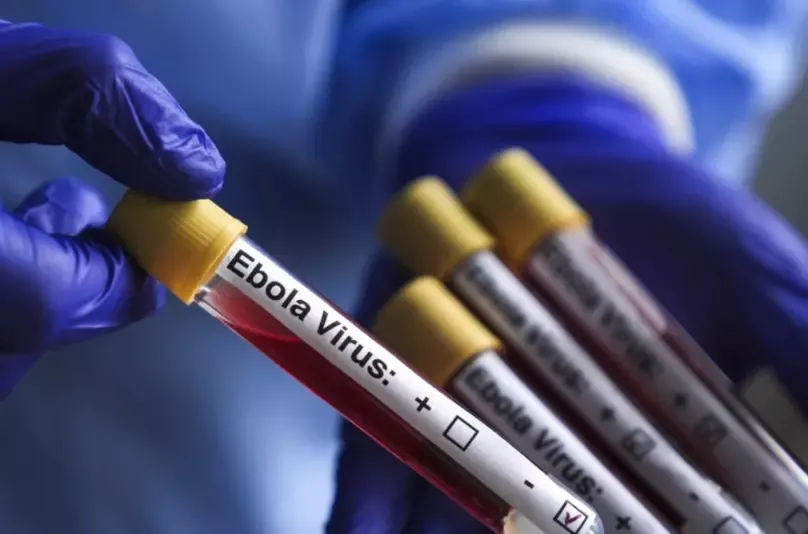
India has launched AIR SUVIDHA 2.0, an upgraded, fully contactless Passenger Health Self-Declaration Portal, to enhance public health surveillance at international points of entry amid the Ebola Bundibugyo virus outbreak in the Democratic Republic of the Congo and Uganda. Developed with the Directorate General of Health Services and Delhi International Airport Limited, the portal requires international travellers to submit mandatory online health declarations covering 21-day travel history, exposure, and symptoms before immigration clearance. The system enables real-time data sharing with health and immigration authorities to facilitate swift identification and referral of at-risk passengers while ensuring a smooth arrival process. This initiative follows the World Health Organization's declaration of the Ebola outbreak as a Public Health Emergency of International Concern. Additionally, India has committed USD 10 million and medical supplies to support Ebola preparedness and response efforts in Africa.
First-hand measurement across 9 sources
We measured how 9 outlets covered this story. Coverage leans balanced overall (Left 0%, Centre 100%, Right 0%). Overall sentiment is positive (68/100). Lens Score 38/100 — moderate-to-low public interest.
Outlets analysed (first-hand measurement by TBN's Bias Engine):
- thehindu— balanced framing, positive sentiment
- thestatesman— balanced framing, positive sentiment
- indiatoday— balanced framing, neutral sentiment
- republicworld— balanced framing, positive sentiment
- news18— balanced framing, neutral sentiment
- news18— balanced framing, neutral sentiment
- hindustantimes— balanced framing, neutral sentiment
- theassamtribune— balanced framing, positive sentiment
AI Analysis
The article group presents a largely neutral government-focused perspective, emphasizing official actions and health measures without partisan framing. Coverage includes statements from government ministries and international organizations like WHO, reflecting a consensus on public health priorities. There is no evident political controversy or opposition viewpoint, as the focus remains on procedural updates and international cooperation.
The overall tone across the articles is factual and procedural, with a positive emphasis on proactive health surveillance and international support. The language is neutral, highlighting government initiatives and WHO declarations without alarmist or critical sentiment. The coverage balances concern over the Ebola outbreak with reassurance about measures taken to manage risks effectively.