Trump Notifies Congress of Resumed Hostilities Against Iran, Activates 60-Day Military Window
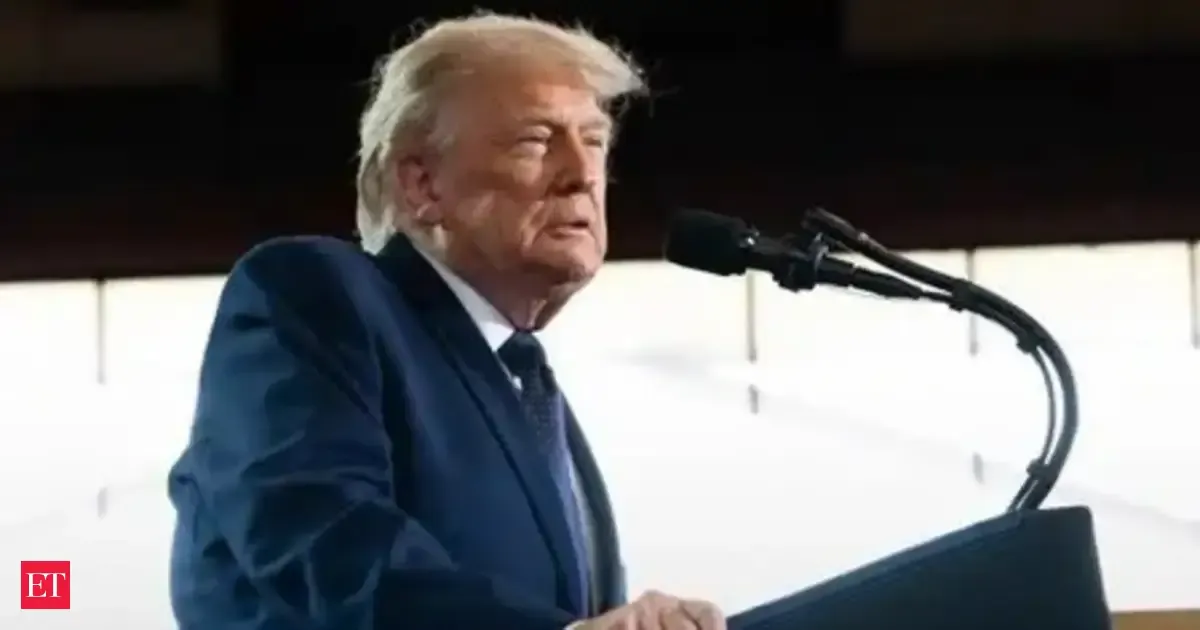
President Donald Trump formally notified the U.S. Congress on July 10 that hostilities against Iran resumed on July 7, initiating a new 60-day period for military action without congressional approval under the War Powers Act. The administration cited Iran's attacks on commercial vessels in the Strait of Hormuz as a violation of a June 17 memorandum, prompting renewed U.S. strikes and reinstatement of a blockade on Iranian shipping. Trump emphasized his responsibility to protect U.S. security, while noting previous ceasefires and diplomatic efforts. The notification follows ongoing debate over presidential authority versus congressional war powers.
First-hand measurement across 2 sources
We measured how 2 outlets covered this story. Coverage leans left-leaning overall (Left 60%, Centre 32%, Right 8%). Overall sentiment is negative (30/100). Lens Score 35/100 — moderate-to-low public interest.
Outlets analysed (first-hand measurement by TBN's Bias Engine):
- republicworld— left-leaning framing, negative sentiment
- economictimes— left-leaning framing, negative sentiment
AI Analysis
The articles primarily present the U.S. administration's perspective, focusing on President Trump's formal notification to Congress and justification for military actions against Iran. They reference constitutional and legal frameworks like the War Powers Act, acknowledging tensions between executive and legislative authority. The coverage includes official statements without extensive opposition viewpoints, reflecting a U.S.-centric governmental framing of the conflict and decision-making process.
The tone across the articles is largely neutral and factual, reporting official actions and statements without emotive language or overt judgment. The coverage emphasizes procedural aspects of military engagement and legal notifications, maintaining an informative rather than critical or supportive stance. The sentiment is balanced, focusing on the sequence of events and legal context rather than expressing positive or negative evaluations.