Madras High Court Rules Against Polluting Thamirabarani River During Religious Rituals
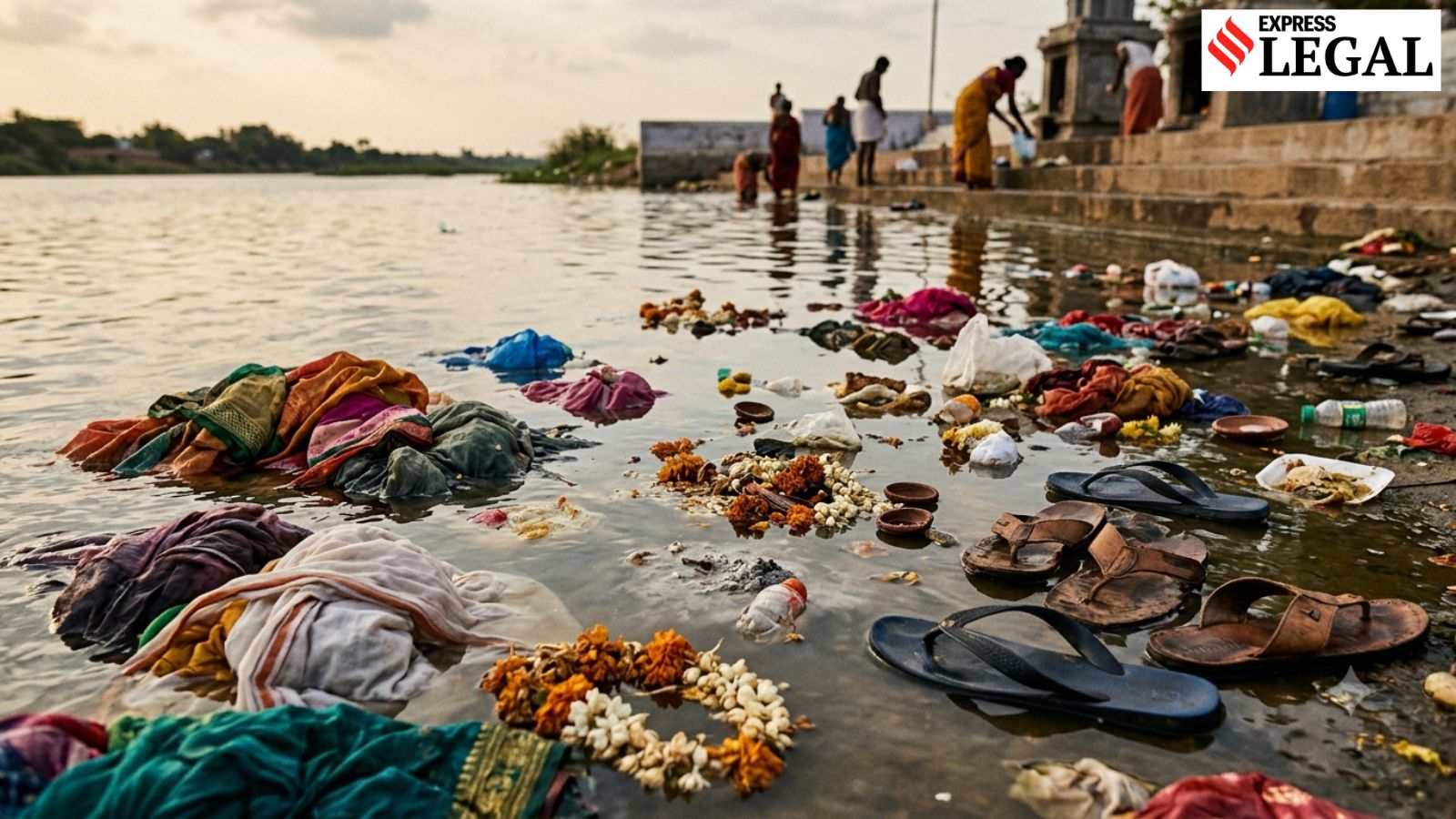
The Madras High Court has ruled that no one has the right to pollute the Thamirabarani river in the name of religion, emphasizing that religious freedom is subject to public health and environmental protection. The court highlighted alarming pollution levels from ritual dumping of clothes, slippers, and other items during ancestral rites, citing data showing tens of tonnes of waste removed recently. The court urged public education and scheduled further hearings to address the issue.
First-hand measurement across 2 sources
We measured how 2 outlets covered this story. Coverage leans balanced overall (Left 15%, Centre 80%, Right 5%). Overall sentiment is neutral (50/100). Lens Score 36/100 — moderate-to-low public interest.
Outlets analysed (first-hand measurement by TBN's Bias Engine):
- indianexpress— balanced framing, neutral sentiment
- freepressjournal— balanced framing, neutral sentiment
AI Analysis
The articles present a judicial perspective emphasizing environmental protection balanced with constitutional religious freedoms. They focus on the court's stance without political framing, reflecting legal and environmental viewpoints. The coverage includes input from activists and official data, maintaining a neutral tone without partisan commentary or political agendas.
The overall tone is concerned but measured, highlighting environmental risks and public health implications without sensationalism. The court's firm stance against pollution is presented factually, alongside data on waste accumulation. The sentiment reflects a call for responsible religious practices and environmental stewardship, combining caution with constructive judicial intervention.
How 2 sources covered this story
Each source's own headline, political lean, and sentiment — so you can see framing differences at a glance.