US-Iran Peace Deal Sparks Political Debate and Security Concerns in Israel
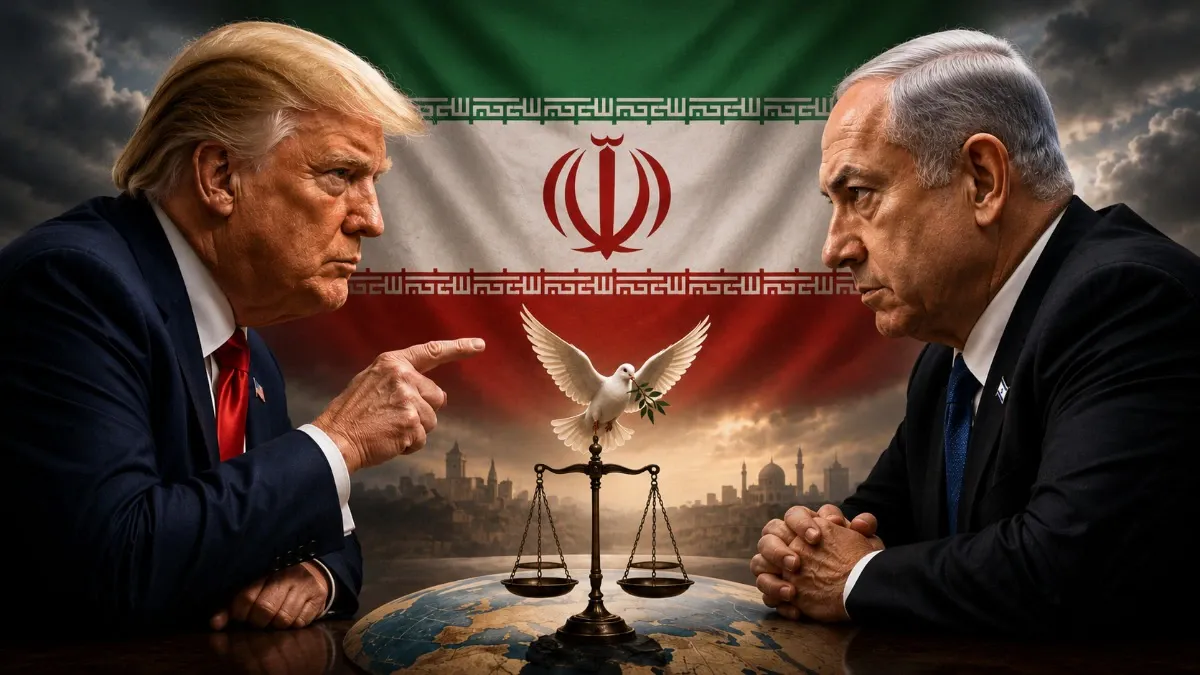
The proposed US-Iran peace deal has sparked significant debate within Israel, challenging Prime Minister Benjamin Netanyahu's coalition stability. Key coalition members, including National Security Minister Itamar Ben-Gvir, oppose the agreement over security concerns, particularly regarding Iran's nuclear program, ballistic missiles, and influence in Lebanon. While the US views the deal as diplomatic progress, Israeli leaders emphasize that the agreement does not bind their policies, reflecting internal political tensions and differing views on regional security implications.
First-hand measurement across 5 sources
We measured how 5 outlets covered this story. Coverage leans balanced overall (Left 12%, Centre 83%, Right 5%). Overall sentiment is neutral (45/100). Lens Score 28/100 — low public interest.
Outlets analysed (first-hand measurement by TBN's Bias Engine):
- indiatoday— balanced framing, neutral sentiment
- ndtv— balanced framing, neutral sentiment
- english— balanced framing, neutral sentiment
- timesnow— balanced framing, neutral sentiment
- timesnow— balanced framing, neutral sentiment
AI Analysis
The article group presents multiple perspectives, including the US administration's diplomatic approach and Israel's internal political divisions. Coverage includes government officials defending the deal's diplomatic merits and opposition voices highlighting unresolved security issues. The sources reflect a balance between pro-government and critical viewpoints within Israel, emphasizing coalition dynamics and regional security considerations without favoring any side.
The overall tone is mixed, combining cautious optimism about diplomatic progress with critical scrutiny of the deal's adequacy in addressing security threats. While some sources highlight potential de-escalation benefits, others focus on political resistance and unresolved concerns, resulting in a nuanced sentiment that reflects both hope for peace and skepticism about its implications.