Satluj Film Removed from Zee5 Over Certification and Security Concerns; Director Responds
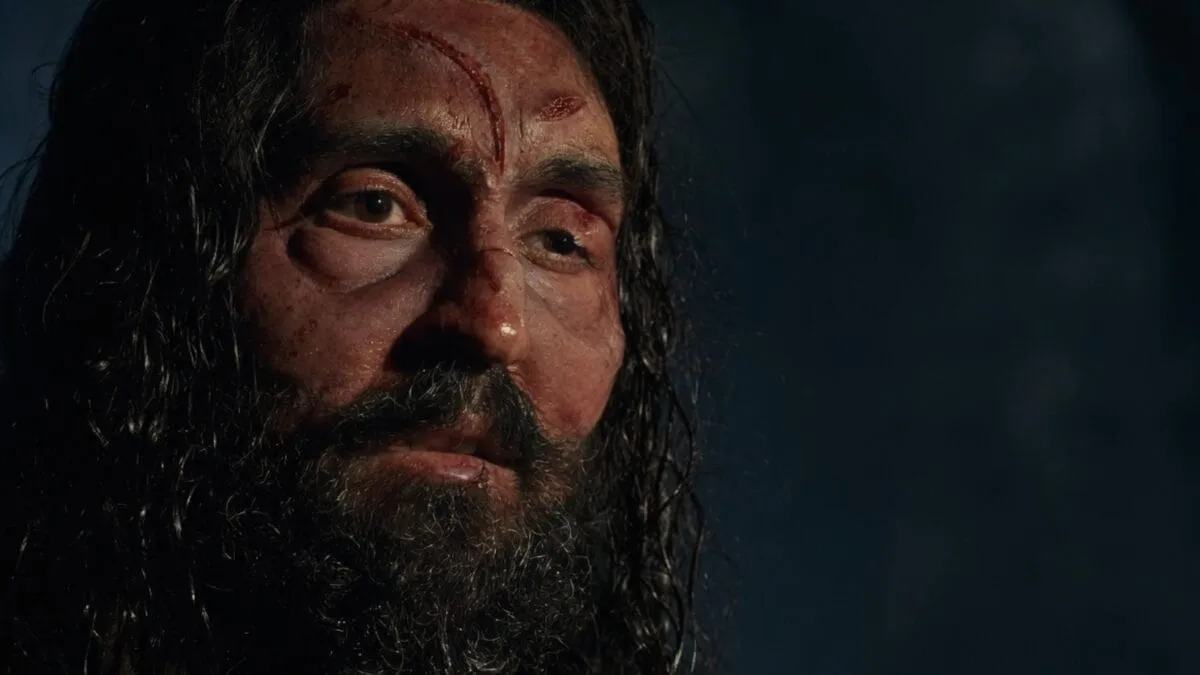
The film Satluj, depicting human rights activist Jaswant Singh Khalra's story, was released on Zee5 without Central Board of Film Certification (CBFC) approval and removed within 48 hours following orders from the Information and Broadcasting Ministry citing national security concerns. Director Honey Trehan denies claims that the film incites division, stating it unites communities in Punjab. A public interest litigation seeks the film's restoration, while the government considers legal action against Zee5 and urges state authorities to act on uncertified screenings.
First-hand measurement across 15 sources
We measured how 15 outlets covered this story. Coverage leans balanced overall (Left 39%, Centre 54%, Right 7%). Overall sentiment is neutral (43/100). Lens Score 59/100 — moderate public interest.
Outlets analysed (first-hand measurement by TBN's Bias Engine):
- ndtv— balanced framing, neutral sentiment
- timesnow— balanced framing, neutral sentiment
- ndtv— balanced framing, neutral sentiment
- timesnow— balanced framing, neutral sentiment
- indiatoday— balanced framing, neutral sentiment
- httpswwwoutlookindiacom— left-leaning framing, neutral sentiment
- indiatoday— left-leaning framing, neutral sentiment
- news18— left-leaning framing, neutral sentiment
AI Analysis
The articles present multiple perspectives including government officials emphasizing procedural and security issues related to the film's uncertified release, and the director defending the film's intent and social impact. Opposition viewpoints are reflected through the director's criticism of government actions and calls for artistic freedom. Coverage includes legal and administrative responses without favoring any political side.
The overall tone is mixed, combining factual reporting of the film's removal and government concerns with empathetic coverage of the director's disappointment and audience support. While the government’s stance introduces a cautionary note, the director’s statements and public interest litigation highlight resistance and advocacy, creating a balanced emotional landscape.