Supreme Court Rules Private Properties of Former Princely Rulers Follow Personal Law, Not Primogeniture
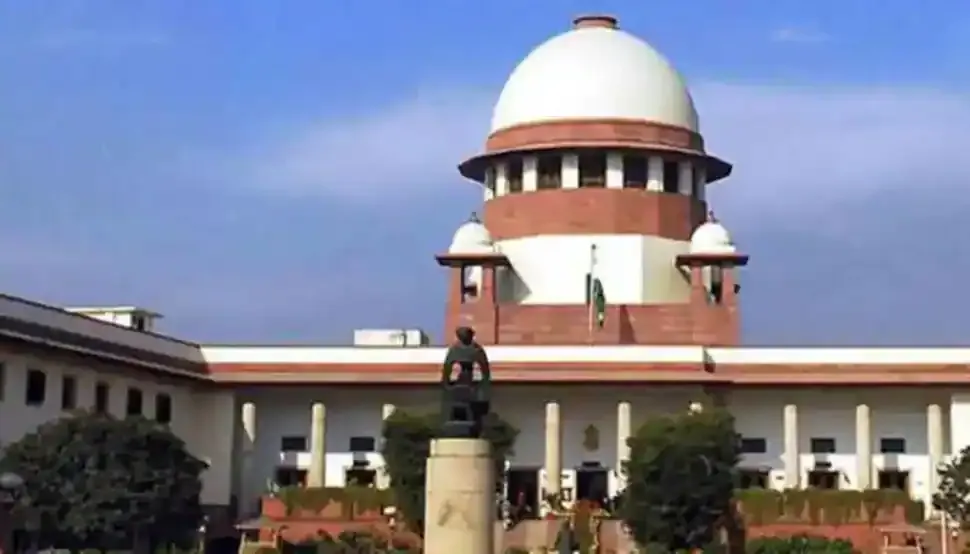
The Supreme Court ruled that private properties of former princely rulers, such as those of Kapurthala's erstwhile royal family, devolve according to personal succession laws rather than the customary male primogeniture rule. While primogeniture governs succession to the symbolic throne, private estates declared after merger with India follow Hindu or Muslim personal law. The court set aside earlier rulings favoring exclusive inheritance by the eldest male descendant, clarifying that recognition of titular rulers is ceremonial and does not confer property ownership rights.
AI Analysis
The articles present a legal ruling without evident political bias, focusing on judicial interpretation of succession laws for former princely estates. Both sources emphasize the Supreme Court's clarification distinguishing ceremonial titles from property rights, reflecting a neutral legal perspective. The coverage includes viewpoints of involved parties but does not frame the issue politically.
The tone across the articles is neutral and factual, reporting the Supreme Court's decision without emotive language. The coverage highlights the legal reasoning and implications for property succession, maintaining an objective stance without positive or negative sentiment toward the parties involved.
How 2 sources covered this story
Each source's own headline, political lean, and sentiment — so you can see framing differences at a glance.