Supreme Court Rules Mere Presence Insufficient to Prove Criminal Conspiracy in Bribery Case
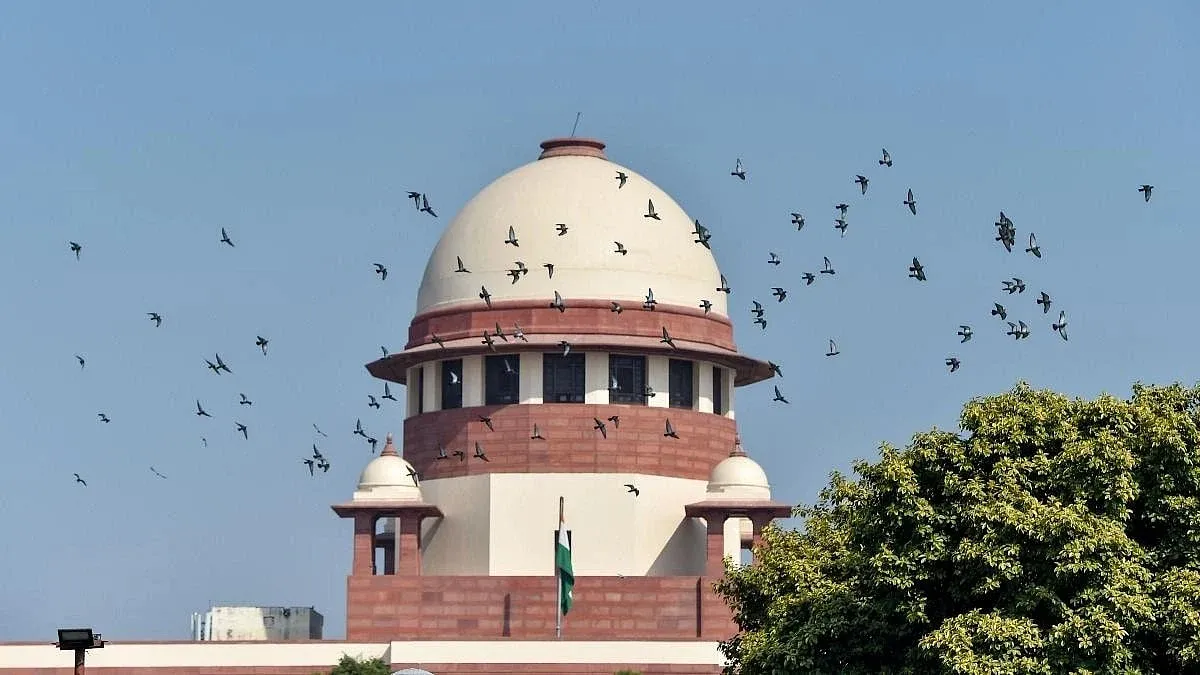
The Supreme Court ruled that mere presence of public servants during a superior officer's alleged bribe acceptance does not prove criminal conspiracy. The court upheld the acquittal of three Central Excise inspectors, emphasizing that prosecution must show clear evidence of prior agreement or 'meeting of minds' to establish conspiracy. The case originated from a 1995 CBI trap involving Superintendent R.K. Srivastava's alleged demand for an 80,000 bribe. The court dismissed appeals by Uttar Pradesh, reinforcing that suspicion alone is insufficient for conviction.
First-hand measurement across 2 sources
We measured how 2 outlets covered this story. Coverage leans balanced overall (Left 5%, Centre 93%, Right 2%). Overall sentiment is neutral (50/100). Lens Score 38/100 — moderate-to-low public interest.
Outlets analysed (first-hand measurement by TBN's Bias Engine):
- thetribune— balanced framing, neutral sentiment
- freepressjournal— balanced framing, neutral sentiment
AI Analysis
The articles present a legal perspective focusing on the Supreme Court's interpretation of criminal conspiracy law without political framing. Both sources emphasize judicial reasoning and procedural fairness, reflecting a neutral stance. There is no evident political bias, as the coverage centers on legal standards and evidentiary requirements rather than political implications or partisan viewpoints.
The tone across the articles is neutral and factual, concentrating on the court's legal findings and procedural outcomes. There is no emotional or sensational language; instead, the coverage highlights judicial principles and evidentiary standards. The sentiment is balanced, neither positive nor negative, reflecting objective reporting on a legal decision.
How 2 sources covered this story
Each source's own headline, political lean, and sentiment — so you can see framing differences at a glance.