Karnataka Governor Suspends KPSC Chairman Over Alleged Illegal Selection of Daughters
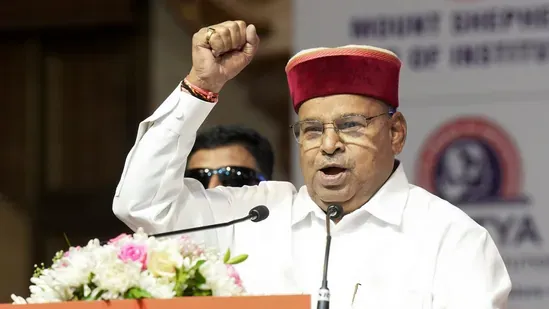
Karnataka Governor Thaawarchand Gehlot suspended Karnataka Public Service Commission Chairman Shivashankarappa S Sahukar over allegations that he facilitated the illegal selection of his two daughters as Industrial Extension Officers. The Governor recommended a Supreme Court inquiry under Article 317(1) of the Constitution to investigate the matter. Complaints allege Sahukar failed to disclose a conflict of interest and that one daughter obtained caste and income certificates by declaring a lower family income to claim OBC reservation and creamy layer exemption, despite a 2002 government order barring children of the chairman from such benefits. The senior-most commission member will act as chairman during the investigation to ensure impartiality.
First-hand measurement across 11 sources
We measured how 11 outlets covered this story. Coverage leans balanced overall (Left 39%, Centre 56%, Right 5%). Overall sentiment is negative (29/100). Lens Score 59/100 — moderate public interest.
Outlets analysed (first-hand measurement by TBN's Bias Engine):
- economictimes— balanced framing, negative sentiment
- ndtv— left-leaning framing, negative sentiment
- timesnow— balanced framing, negative sentiment
- indianexpress— balanced framing, negative sentiment
- zeenews— balanced framing, negative sentiment
- hindustantimes— balanced framing, neutral sentiment
- news18— balanced framing, negative sentiment
- thetribune— balanced framing, negative sentiment
AI Analysis
The article group presents a largely administrative and legal perspective, focusing on official actions taken by the Karnataka Governor and procedural details. Coverage includes allegations against the KPSC chairman and references to constitutional provisions without partisan framing. There is no evident political party bias; sources emphasize governance, rule of law, and institutional integrity, reflecting a neutral stance on the controversy.
The overall tone across the articles is serious and factual, reflecting the gravity of the allegations and the administrative response. The sentiment is predominantly neutral to negative due to the nature of the accusations and suspension but avoids sensationalism. The language maintains professionalism, focusing on procedural fairness and the need for an impartial inquiry, without emotive or judgmental expressions.