US-Iran Agreement Requires Iran to Downblend Highly Enriched Uranium Under IAEA Oversight
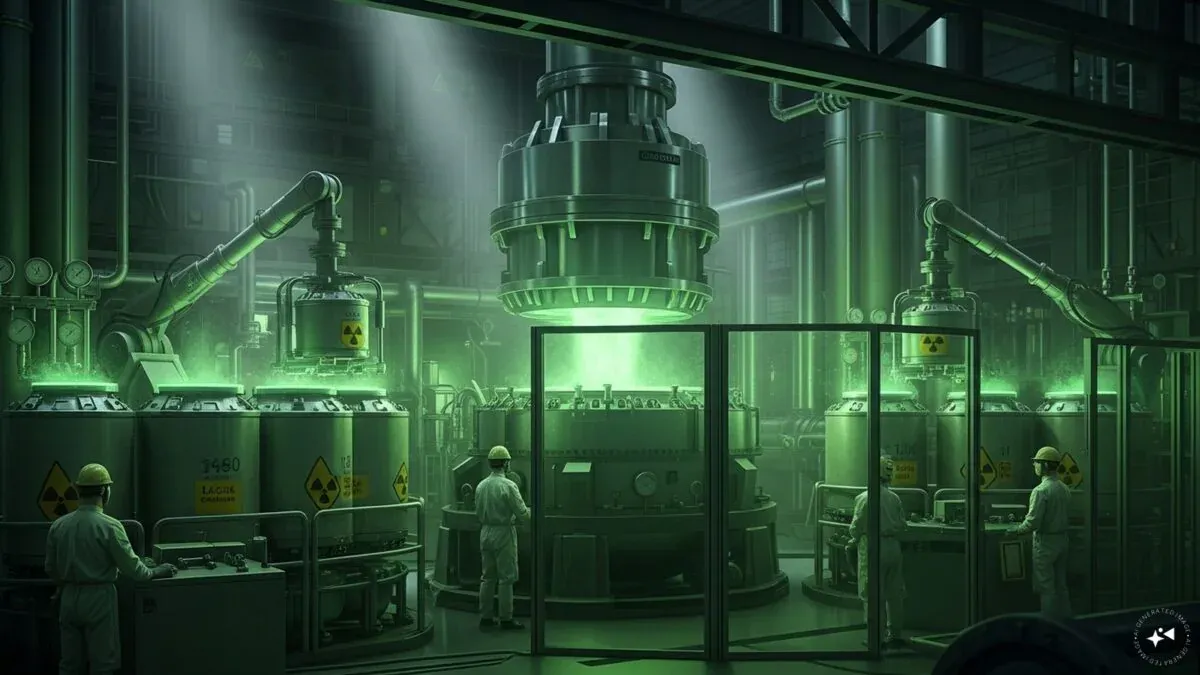
The US-Iran agreement includes a key provision requiring Iran to downblend its approximately 440 kilograms of uranium enriched up to 60%, reducing its concentration under International Atomic Energy Agency supervision. This measure aims to limit Iran's nuclear weapons potential while allowing it to retain the uranium stockpile. The clause is central to the deal's success, balancing non-proliferation concerns with Iran's interests amid broader efforts to ease sanctions and reduce regional tensions.
First-hand measurement across 2 sources
We measured how 2 outlets covered this story. Coverage leans balanced overall (Left 5%, Centre 93%, Right 2%). Overall sentiment is neutral (58/100). Lens Score 33/100 — low public interest.
Outlets analysed (first-hand measurement by TBN's Bias Engine):
- timesnow— balanced framing, neutral sentiment
- news18— balanced framing, neutral sentiment
AI Analysis
The articles present perspectives focusing on diplomatic and technical aspects of the US-Iran agreement without overt political framing. They emphasize the compromise reached and the role of international supervision, reflecting viewpoints from both US officials and nuclear experts. The coverage balances concerns about nuclear proliferation with recognition of Iran's retention of uranium, avoiding partisan language or blame.
The tone across the articles is largely neutral and informative, highlighting the technical details and significance of the uranium downblending clause. While acknowledging the deal's potential to ease tensions and sanctions, the coverage refrains from expressing optimism or criticism, maintaining a factual and measured approach to the complex agreement.
How 2 sources covered this story
Each source's own headline, political lean, and sentiment — so you can see framing differences at a glance.