Pakistan Enhances Satellite Surveillance Amid Changing Dynamics of Nuclear Deterrence in South Asia
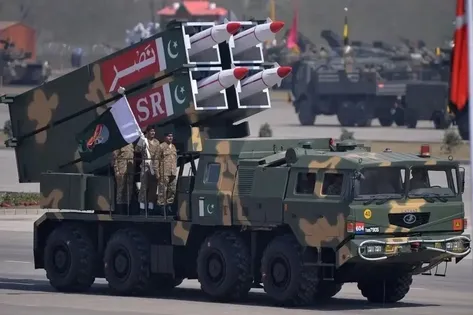
Between January 2025 and June 2026, Pakistan launched six Earth-observation satellites focused on monitoring Indian territory, enhancing its surveillance capabilities with support reportedly linked to China. This development coincides with evolving challenges to nuclear deterrence, as advances in satellite surveillance, precision weaponry, and rapid strike capabilities are reducing the survivability of strategic assets. India's nuclear doctrine, established in the early 2000s, faces pressure to adapt amid these technological and strategic shifts that may increase instability and the risk of pre-emptive actions.
First-hand measurement across 2 sources
We measured how 2 outlets covered this story. Coverage leans balanced overall (Left 10%, Centre 82%, Right 8%). Overall sentiment is neutral (50/100). Lens Score 26/100 — low public interest.
Outlets analysed (first-hand measurement by TBN's Bias Engine):
- swarajyamag— balanced framing, neutral sentiment
- theprint— balanced framing, neutral sentiment
AI Analysis
The articles present perspectives from Indian defense and space experts highlighting Pakistan's increased satellite activity and its implications for regional security. They include references to Chinese involvement and Indian military assessments without overt editorializing. The coverage reflects concerns about strategic balance and deterrence stability, representing official and analytical viewpoints primarily from Indian sources, with limited direct Pakistani perspectives.
The tone across the articles is analytical and cautionary, focusing on technological advancements and their impact on strategic stability. While the developments are described factually, there is an underlying concern about increased surveillance capabilities and the erosion of traditional deterrence assumptions, leading to a nuanced but serious assessment rather than overtly positive or negative sentiment.