India Designates 23 Pakistan-Based Jaish-e-Mohammed and Lashkar-e-Taiba Operatives as Terrorists
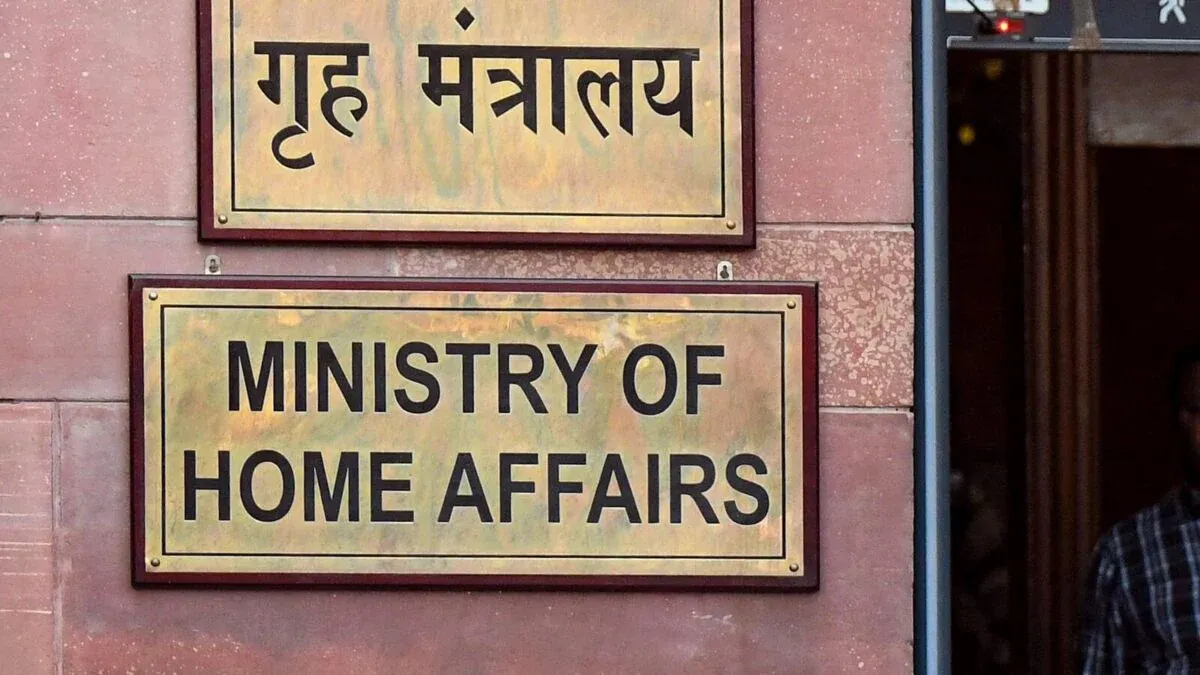
The Indian government has designated 23 Pakistan-based individuals linked to terror groups Jaish-e-Mohammed (JeM) and Lashkar-e-Taiba (LeT) as terrorists under the Unlawful Activities (Prevention) Act (UAPA). The designations, notified by the Ministry of Home Affairs, cite their involvement in recruitment, training, infiltration, arms supply—including via drones—and planning attacks in Jammu and Kashmir. Notable names include close associates of LeT founder Hafiz Saeed and operatives linked to the 2016 Nagrota and 2022 Sunjwan attacks. This move aims to strengthen counterterrorism efforts and disrupt terror networks operating across the border.
First-hand measurement across 10 sources
We measured how 10 outlets covered this story. Coverage leans balanced overall (Left 10%, Centre 60%, Right 30%). Overall sentiment is neutral (44/100). Lens Score 31/100 — low public interest.
Outlets analysed (first-hand measurement by TBN's Bias Engine):
- freepressjournal— balanced framing, neutral sentiment
- timesnow— balanced framing, neutral sentiment
- republicworld— right-leaning framing, neutral sentiment
- hindustantimes— balanced framing, neutral sentiment
- indiatvnews— right-leaning framing, negative sentiment
- economictimes— balanced framing, neutral sentiment
- news18— right-leaning framing, neutral sentiment
- indianexpress— balanced framing, negative sentiment
AI Analysis
The articles predominantly reflect the Indian government's perspective on counterterrorism, emphasizing security and legal measures against Pakistan-based terror operatives. They include official statements and notifications from the Ministry of Home Affairs, with limited representation of alternative viewpoints. The coverage focuses on factual reporting of designations under UAPA and related terror incidents, maintaining a security-centric narrative without political critique or opposition perspectives.
The overall tone across the articles is serious and factual, reflecting the gravity of counterterrorism actions. The sentiment is largely neutral to cautiously assertive, highlighting government efforts to combat terrorism without emotive language. There is an emphasis on law enforcement and national security, with no overtly positive or negative sentiment toward any party beyond the stated security concerns.