Delhi Cabinet Approves EV Policy 2026 with Rs 15,000 Crore Investment and Phased Fossil Fuel Vehicle Phase-Out
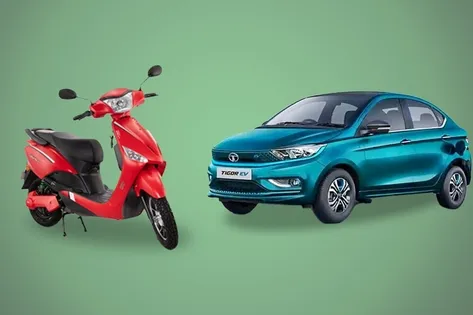
Delhi's Cabinet has approved the Electric Vehicle (EV) Policy 2026, set to take effect from July 1, 2026, aiming to accelerate the city's transition to electric mobility and reduce pollution. The policy includes a Rs 15,000 crore investment over four years for infrastructure and incentives. Key measures include 100% road tax and registration fee exemptions for electric cars priced up to Rs 30 lakh, subsidies up to Rs 50,000 for electric two- and three-wheelers, and a Rs 1 lakh scrappage incentive for older vehicles. From January 1, 2027, only electric autorickshaws will be registered, with petrol and CNG two-wheelers phased out by April 1, 2028. The policy excludes subsidies for hybrid vehicles and emphasizes expanding charging infrastructure. Stakeholders highlight the policy's potential to improve air quality while urging support for workers affected by the transition.
First-hand measurement across 15 sources
We measured how 15 outlets covered this story. Coverage leans balanced overall (Left 12%, Centre 79%, Right 9%). Overall sentiment is positive (74/100). Lens Score 30/100 — low public interest.
Outlets analysed (first-hand measurement by TBN's Bias Engine):
- opindia— balanced framing, positive sentiment
- hindustantimes— balanced framing, positive sentiment
- news18— balanced framing, positive sentiment
- news18— balanced framing, positive sentiment
- news18— balanced framing, positive sentiment
- thestatesman— balanced framing, positive sentiment
- wion— balanced framing, positive sentiment
- businessstandard— balanced framing, positive sentiment
AI Analysis
The article group presents perspectives primarily from government officials, including Chief Minister Rekha Gupta, emphasizing policy goals and investments. It also includes viewpoints from industry stakeholders welcoming the policy and gig workers expressing concerns about livelihood impacts. Coverage reflects a range of voices without partisan framing, focusing on policy details, implementation plans, and stakeholder reactions, maintaining a balanced representation of supportive and cautious perspectives.
The overall tone across the articles is positive, highlighting the policy's ambitious targets, financial incentives, and environmental benefits. However, some articles introduce cautious or concerned sentiments from gig workers and automakers regarding the transition's impact on livelihoods and industry adjustments. This mix results in a generally optimistic yet measured sentiment, acknowledging both progress and challenges.