Iran Declares Strait of Hormuz Closed After U.S. Strikes Amid Rising Tensions
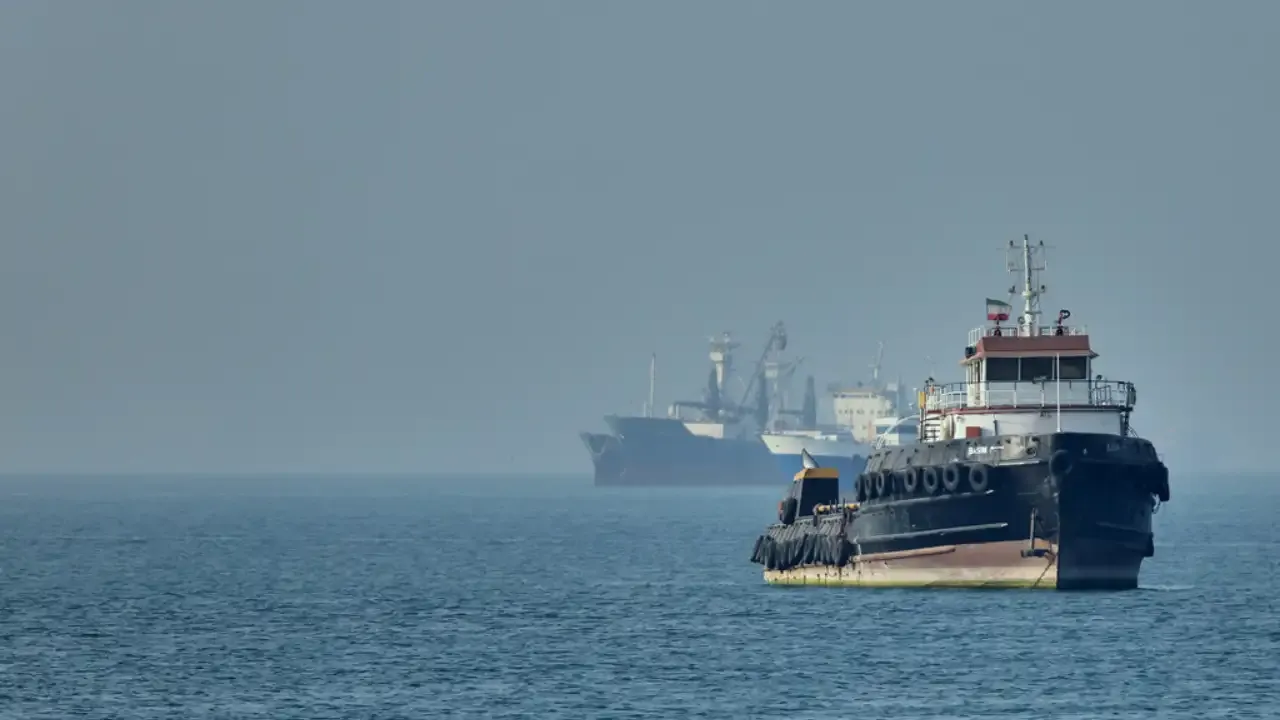
Following fresh U.S. military strikes on Iranian targets, Iran's Islamic Revolutionary Guard Corps (IRGC) declared the Strait of Hormuz closed to all maritime traffic, including commercial and oil vessels, warning that any ship attempting passage would be targeted. Iran reported striking two ships and engaged in clashes with U.S. forces near the strait. The U.S. Central Command disputed the closure claim, stating commercial ships continue to transit the waterway and no U.S. warships were hit. The situation has heightened regional tensions and raised concerns over global energy security.
First-hand measurement across 15 sources
We measured how 15 outlets covered this story. Coverage leans balanced overall (Left 8%, Centre 90%, Right 2%). Overall sentiment is negative (30/100). Lens Score 29/100 — low public interest.
Outlets analysed (first-hand measurement by TBN's Bias Engine):
- zeenews— left-leaning framing, negative sentiment
- wion— balanced framing, negative sentiment
- firstpost— balanced framing, negative sentiment
- theprint— balanced framing, negative sentiment
- theprint— balanced framing, neutral sentiment
- english— balanced framing, negative sentiment
- english— balanced framing, negative sentiment
- news18— balanced framing, negative sentiment
AI Analysis
The article group presents perspectives from both Iranian and U.S. sources, reflecting the official Iranian stance on closing the Strait of Hormuz and targeting vessels, alongside U.S. military denials of disruption to maritime traffic. Coverage includes statements from Iranian military authorities, U.S. Central Command, and regional reports, showing a balance between Tehran's warnings and Washington's rebuttals without favoring either side.
The overall tone across the articles is serious and tense, reflecting escalating military confrontations and strategic threats. While Iranian sources emphasize defensive actions and warnings, U.S. sources focus on continued operational control and denial of impact. The sentiment is mixed, highlighting conflict escalation and uncertainty without overtly positive or negative language.