Skip to content
Get the Balanced News app for a better experience!
The Balanced News Logo
Analytics
The Balanced News Logo

Stay Balanced, Stay Informed

Menu
  • Browse News
  • Underreported Stories
  • Curated Feeds
  • Insights
  • Analytics
  • Our Writers
  • About Us
  • Download App
Learn
  • How It Works
  • Bias Detection
  • Lens Score
  • Source Bias Checker
  • Accountability
  • Custom Feeds
Newsroom
  • Writers & Analysts
  • About TBN
  • Editorial Standards
  • Corrections Policy
  • Our Partners
  • Insights
Socials
  • Youtube
  • Instagram
  • X
  • Facebook
News Categories
  • Trending
  • Politics
  • Sports
  • Business
  • Tech
  • Entertainment
  • Health
  • Science
  • Crime
  • Lifestyle
  • National
  • International
  • Good News
  • Crypto

Get Our App

Available for iOS and Android


LensFeedsInsightsAnalyticsTrendingGood NewsSportsPoliticsBusinessCrimeTechEntertainmentHealthNationalInternational

© 2026 The Balanced News. All rights reserved.

About UsEditorial StandardsCorrectionsHelp & SupportPrivacy PolicyTerms & Conditions
Maritime Disruptions and Tanker Shortages Raise India's Oil Import Costs
Categories

Categories

Related Coverage

Select a news story to see related coverage from other media outlets.

Related Coverage

Select a news story to see related coverage from other media outlets.

  1. Home
  2. /
  3. Politics

Maritime Disruptions and Tanker Shortages Raise India's Oil Import Costs

Analysed 21 Sept 2026·2 sources analysed·Russia·Politics
Maritime Disruptions and Tanker Shortages Raise India's Oil Import CostsPreviousNext

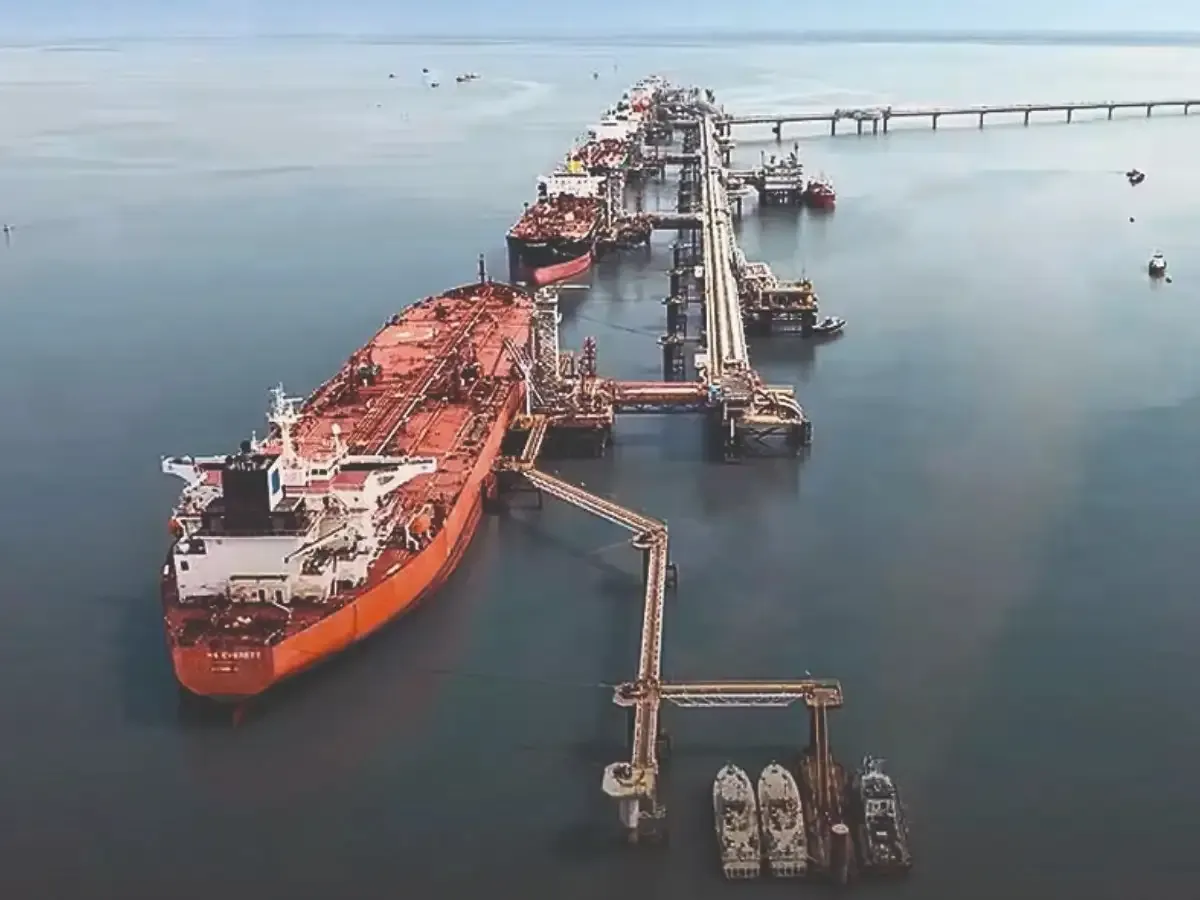
India faces rising challenges in securing oil imports due to disruptions in key maritime routes like the Strait of Hormuz and Bab el-Mandeb Strait. These blockades, caused by geopolitical tensions involving Iran and Yemen's Houthis, have led to longer shipping routes and increased freight costs, notably for tankers transporting crude from West Asia, Russia, and the US. While India may need diplomatic engagement with Iran to ease the Hormuz blockade, the tanker shortage and higher shipping expenses are driving up energy costs and complicating supply logistics.

Sentiment
48%
TBN's observations

First-hand measurement across 2 sources

We measured how 2 outlets covered this story. No outlet gave this story a measurable political slant — there is no left–right reading to report. Overall sentiment is neutral (48/100). Lens Score 50/100.

Outlets measured: economictimes, english. See how each one headlined and framed the same story in the source comparison below.

AI analysis of 2 sources · Published under editorial oversight by The Balanced News
Analysed 21 Sept 2026· How this analysis is produced· Editorial standards· Corrections

AI Analysis

Sentiment — Neutral (48/100)

Sentiment was consistent across outlets (48–48/100), indicating broadly factual reporting rather than editorialising.

Coverage timeline

english broke this story on 21 Sept, 02:11 pm. Other outlets followed.

21 Sept, 02:11 pm2 sources · 4 h21 Sept, 05:41 pm
AI analysis by the TBN Bias Engine · beat methodology byPrajakta Kale· Political Analyst· editorial standards byOjas Kale
← Previous
Supreme Court Advises Tamil Nadu to Explore Alternative Land for SASTRA University Dispute
Next →
DRDO Advances 30kW Laser Weapon for Drone Defense, Plans Industry Partnership
1
english21 Sept, 02:11 pm
Crude Oil Tanker Shortage Hits India; Shipping Costs Surge To Record Highs
  • 2
    economictimes21 Sept, 05:41 pm
    Oil's sea lanes get tougher to navigate; India must press Iran to ease Hormuz blockade
  • Who's involved

    Institutions and figures named across source coverage.

    Government
    Petroleum MinistryUnited States GovernmentGovernment of RussiaGovernment of IndiaGovernment of IranGovernment of YemenGovernment of United States
    Political
    Bharatiya Janata Party

    Story context

    Category
    Politics
    Location
    Russia
    Sources analysed
    2
    Last analysed
    21 Sept 2026
    Key entities
    Strait of HormuzRed SeaPetroleumRussiaIranIndiaHouthi movementYemenSaudi ArabiaIraqPipeline transportAsia