Armenia Holds Parliamentary Elections Amid East-West Geopolitical Tensions
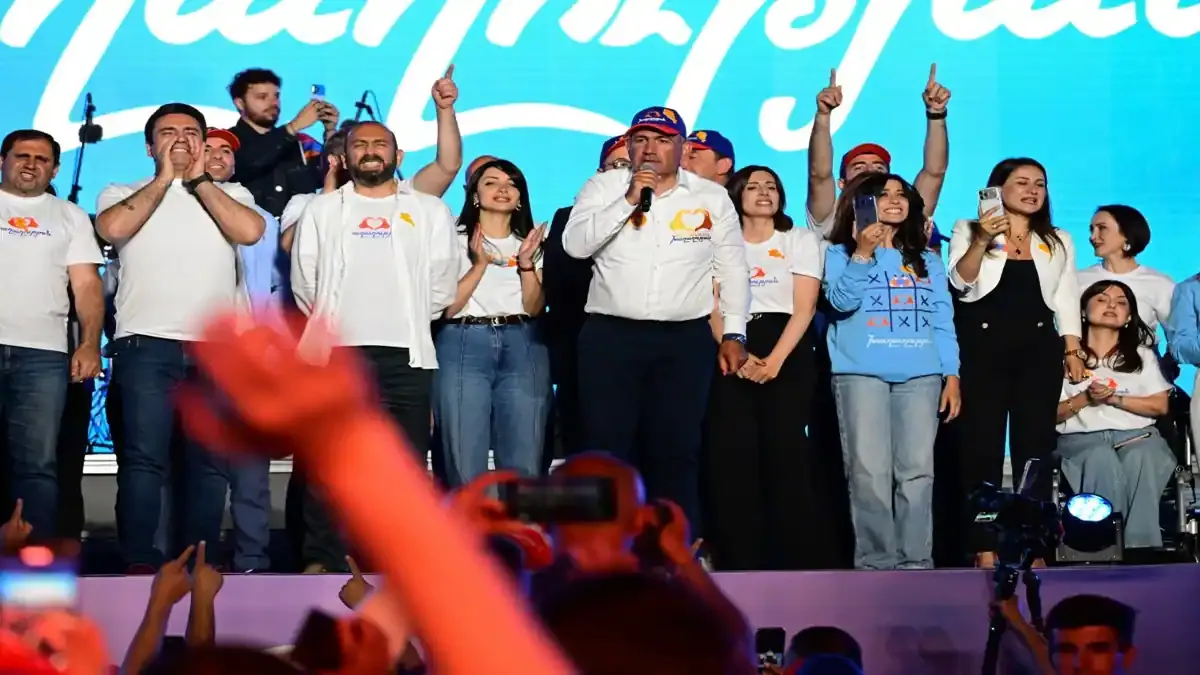
Armenians voted on June 7, 2026, in parliamentary elections seen as pivotal for the country's geopolitical direction. Prime Minister Nikol Pashinyan sought a fresh mandate to continue shifting Armenia toward closer ties with the European Union and the West, despite economic and political pressures from Russia. His pro-European stance faces opposition from pro-Russian parties, notably Strong Armenia, amid public dissatisfaction over the 2023 loss of Nagorno-Karabakh to Azerbaijan. Arrests of opposition candidates and Russian trade restrictions heightened tensions ahead of the vote.
First-hand measurement across 5 sources
We measured how 5 outlets covered this story. Coverage leans balanced overall (Left 35%, Centre 53%, Right 12%). Overall sentiment is neutral (45/100). Lens Score 38/100 — moderate-to-low public interest.
Outlets analysed (first-hand measurement by TBN's Bias Engine):
- theprint— balanced framing, neutral sentiment
- economictimes— balanced framing, neutral sentiment
- theprint— balanced framing, neutral sentiment
- firstpost— balanced framing, neutral sentiment
- news18— balanced framing, neutral sentiment
AI Analysis
The article group presents multiple perspectives, including Pashinyan's pro-European government emphasizing peace and Western integration, and opposition parties advocating for stronger ties with Russia. Coverage includes viewpoints from government supporters, pro-Russian opposition, and analysts, reflecting the contested nature of Armenia's foreign policy and domestic politics without favoring any side.
The overall tone is mixed, balancing recognition of Pashinyan's diplomatic efforts and economic growth with public criticism over the Nagorno-Karabakh conflict and political tensions. Reports of arrests and Russian pressure introduce a critical element, while voter hopes for peace and stability provide a cautiously optimistic note.
How 5 sources covered this story
Each source's own headline, political lean, and sentiment — so you can see framing differences at a glance.