Jaishankar Highlights Global Fragmentation and Calls for Renewed International Cooperation
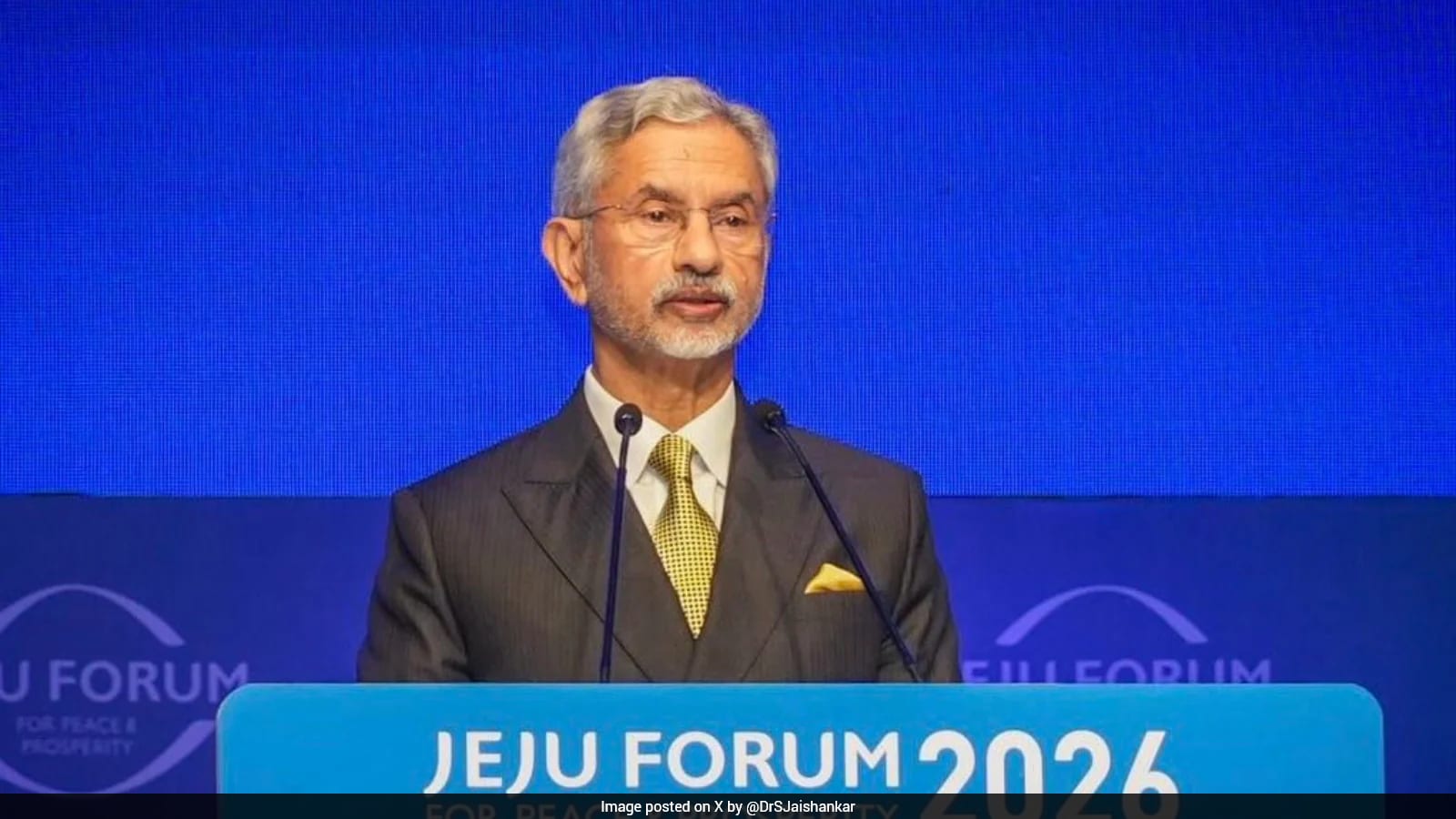
At the 2026 Jeju Forum for Peace and Prosperity in South Korea, India's External Affairs Minister Dr. S. Jaishankar emphasized that global fragmentation is a permanent and not entirely negative feature, fostering greater democratisation and multipolarity. He warned against viewing global economic competition as a zero-sum game, noting some established powers struggle with shifting competitiveness. Jaishankar proposed a five-point framework for cooperation, highlighting the need for reformed multilateralism, de-risking economies, and addressing global challenges like terrorism and pandemics through deeper international collaboration.
First-hand measurement across 5 sources
We measured how 5 outlets covered this story. Coverage leans balanced overall (Left 10%, Centre 81%, Right 9%). Overall sentiment is positive (67/100). Lens Score 31/100 — low public interest.
Outlets analysed (first-hand measurement by TBN's Bias Engine):
- thestatesman— balanced framing, positive sentiment
- wion— balanced framing, neutral sentiment
- businessstandard— balanced framing, neutral sentiment
- firstpost— balanced framing, neutral sentiment
- ndtv— balanced framing, positive sentiment
AI Analysis
The article group presents a range of perspectives centered on Dr. Jaishankar's keynote address, reflecting India's diplomatic stance advocating multipolarity and cooperation. Sources emphasize challenges posed by established powers resisting change and the need for emerging economies' greater roles. While some articles note geopolitical tensions and economic nationalism, the overall framing remains focused on promoting dialogue and reform without partisan bias.
Coverage across the articles maintains a generally neutral to cautiously optimistic tone, acknowledging the complexities and risks of global fragmentation while underscoring opportunities for cooperation and democratization. The sentiment balances concerns about rising competition and geopolitical challenges with calls for constructive engagement and multilateral solutions, avoiding sensationalism or alarmist language.