Indian Sailors' Deaths in Strait of Hormuz Highlight Diplomatic Tensions and U.S.-Iran Deal Uncertainties
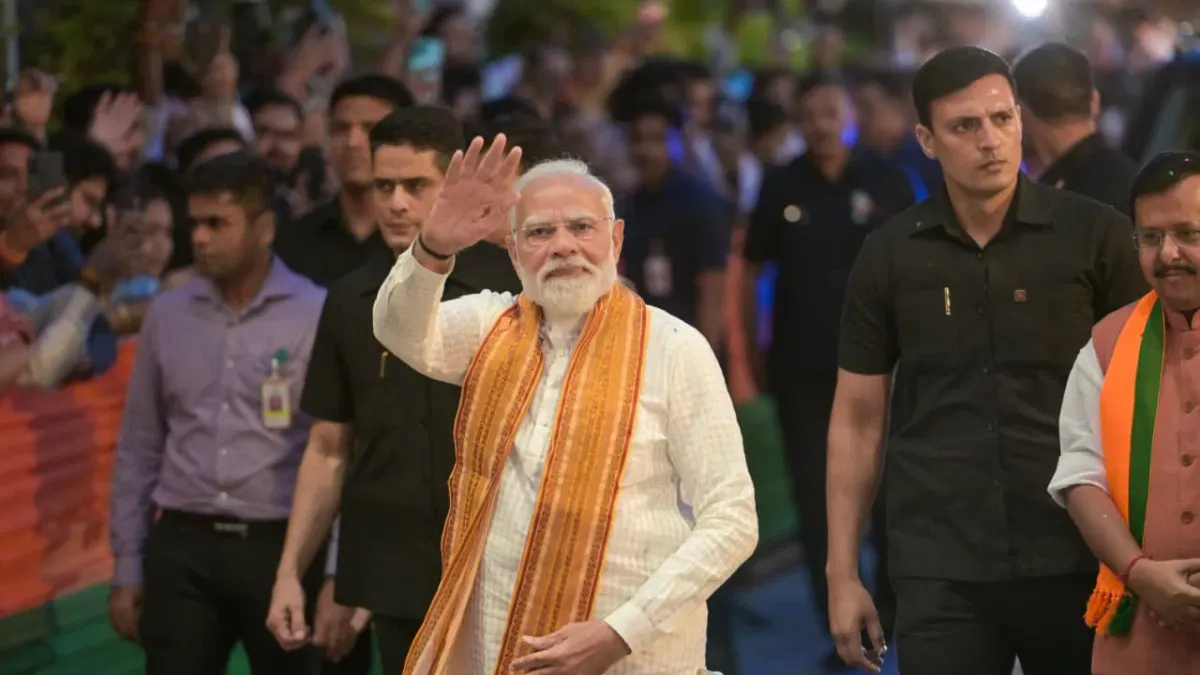
Following a U.S. strike on June 10 that killed three Indian sailors in the Strait of Hormuz, Indian Prime Minister Narendra Modi's muted response has drawn criticism, particularly from Chinese media highlighting India's limited leverage amid its multi-alignment foreign policy. Meanwhile, U.S. Secretary of State Marco Rubio emphasized enforcement of American directives over maritime safety, signaling Washington's prioritization of strategic objectives. An interim U.S.-Iran deal to end the conflict remains uncertain, with key issues unresolved and Iran seeking a lasting truce.
First-hand measurement across 2 sources
We measured how 2 outlets covered this story. Coverage leans balanced overall (Left 30%, Centre 60%, Right 10%). Overall sentiment is neutral (40/100). Lens Score 24/100 — low public interest.
Outlets analysed (first-hand measurement by TBN's Bias Engine):
- thehindu— balanced framing, neutral sentiment
- theprint— balanced framing, neutral sentiment
AI Analysis
The articles present perspectives from Chinese media critical of India's restrained diplomatic response and its strategic autonomy, reflecting skepticism about India's influence. The U.S. viewpoint emphasizes enforcement of its policies, with remarks from Secretary Rubio framing the incident as a compliance issue. Indian concerns over the deaths and diplomatic silence are noted, showing a mix of regional and international viewpoints without overt bias.
The overall tone is critical and cautious, reflecting disappointment over the deaths of Indian sailors and India's subdued reaction. U.S. statements are portrayed as firm and uncompromising, contributing to a tense atmosphere. The interim U.S.-Iran agreement is described with uncertainty, indicating unresolved challenges. The sentiment is predominantly serious and somber, focusing on diplomatic complexities and human loss.