Controversy Over Satluj Film Rekindles Punjab Militancy Debate and Political Divisions
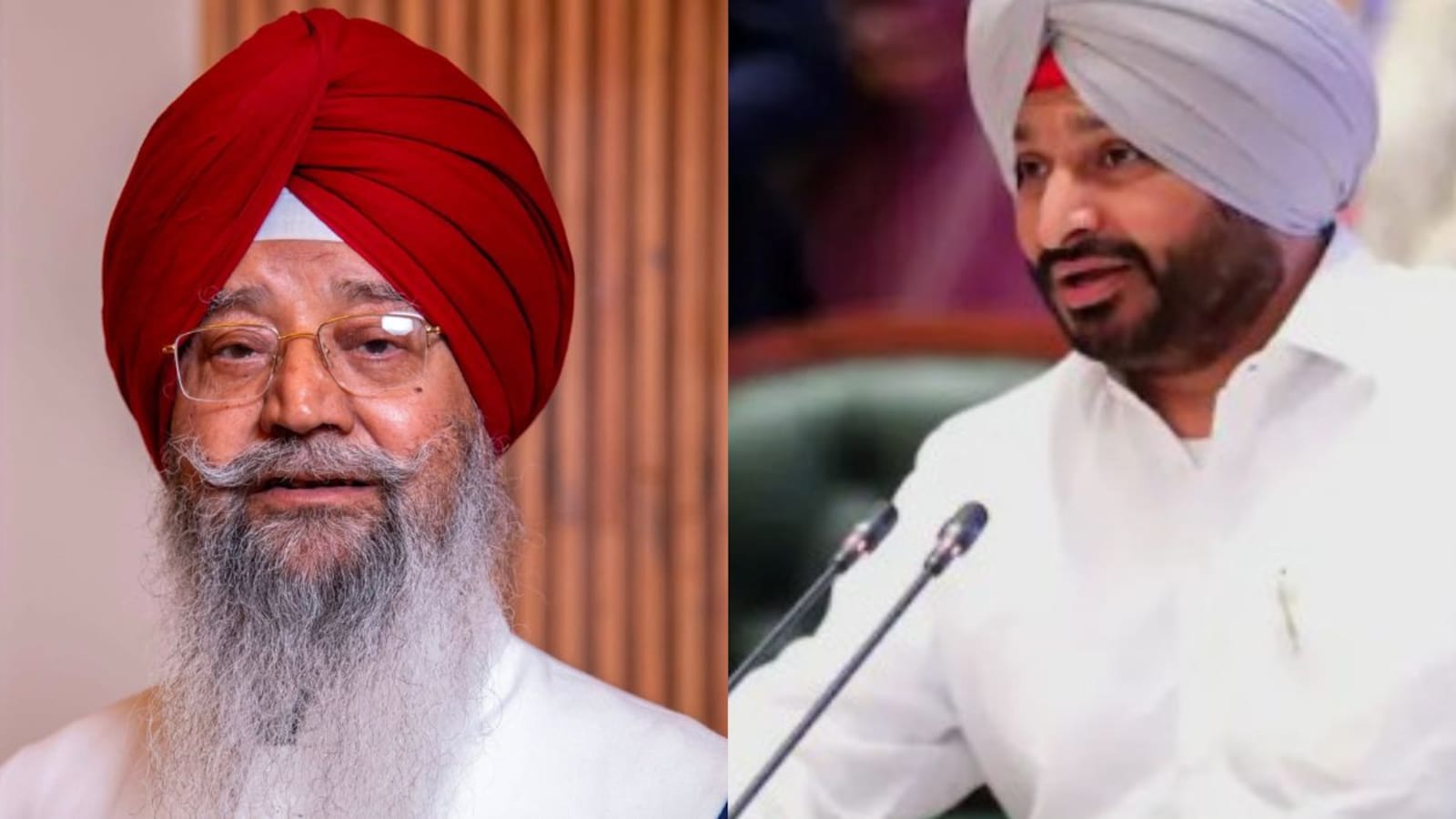
The Punjabi film Satluj, depicting human rights activist Jaswant Singh Khalra's fight against alleged police atrocities during Punjab's militancy era, has sparked intense political debate. The film was removed from the OTT platform ZEE5 within 48 hours, triggering polarized reactions. Union Minister Ravneet Singh Bittu questioned the film's claims, especially the figure of 25,000 unidentified bodies, prompting pushback from BJP leaders and human rights advocates. Pro-Khalistani groups have used the film to revive separatist narratives, while screenings continue in gurdwaras and communities. The controversy highlights unresolved historical wounds and political divisions ahead of Punjab's 2027 elections.
First-hand measurement across 3 sources
We measured how 3 outlets covered this story. Coverage leans balanced overall (Left 35%, Centre 49%, Right 16%). Overall sentiment is neutral (41/100). Lens Score 24/100 — low public interest.
Outlets analysed (first-hand measurement by TBN's Bias Engine):
- hindustantimes— left-leaning framing, neutral sentiment
- ndtv— left-leaning framing, neutral sentiment
- mint— balanced framing, neutral sentiment
AI Analysis
The article group presents multiple political perspectives, including Union Minister Bittu's skepticism about the film's historical claims, BJP leaders urging restraint, opposition voices criticizing political polarization, and pro-Khalistani groups leveraging the film for separatist agendas. Coverage reflects intra-party disagreements within the BJP and varying interpretations of Punjab's militancy history, illustrating a complex political landscape without endorsing any viewpoint.
The overall tone across the articles is mixed, combining concern over the film's impact on communal harmony with empathy for victims' families and cultural significance. While some sources emphasize the need for factual accuracy and caution, others highlight emotional resonance and community engagement. The sentiment balances criticism, apprehension, and support, reflecting the sensitive and contested nature of the subject.