India Protests Pakistan's Planned Elections in Gilgit-Baltistan, Reaffirms Territorial Claims
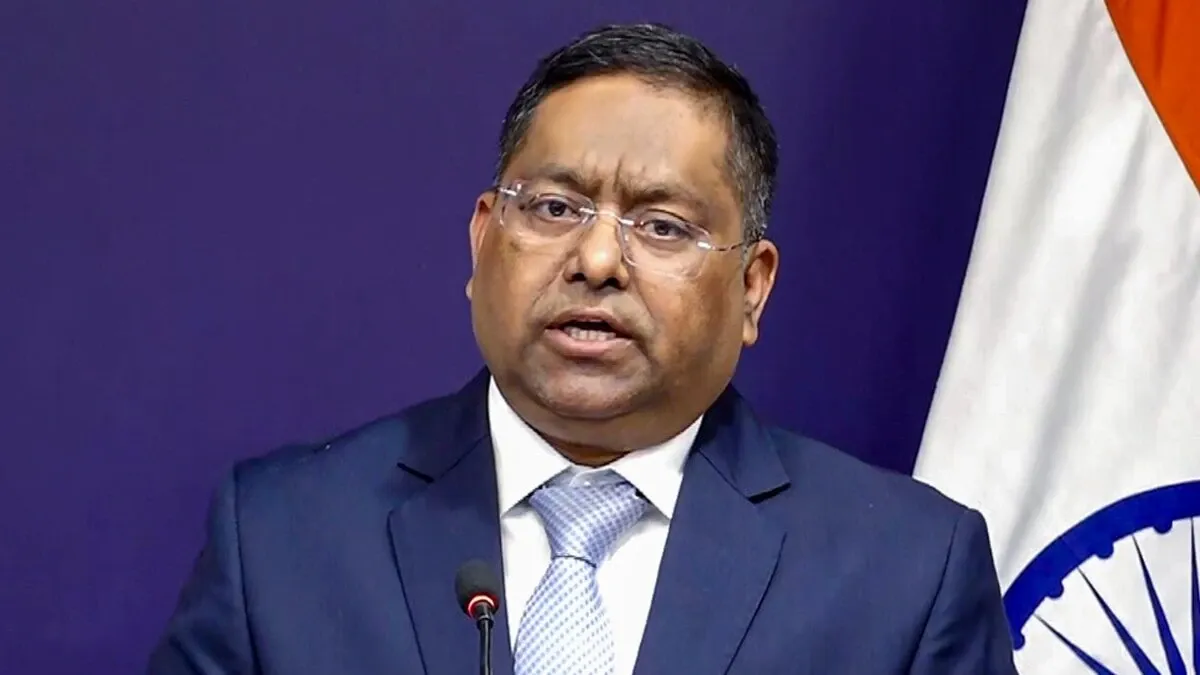
India has lodged a strong protest against Pakistan's plan to hold general elections on June 7, 2026, for the Gilgit-Baltistan Assembly, a region India claims as part of its Union Territories of Jammu and Kashmir and Ladakh. The Ministry of External Affairs reiterated that these territories, including Gilgit-Baltistan, are integral and inalienable parts of India following the 1947 accession. India condemned Pakistan's actions as illegal occupation and rejected attempts to alter the region's status, highlighting concerns over alleged human rights violations and political repression under Pakistani control.
First-hand measurement across 6 sources
We measured how 6 outlets covered this story. Coverage leans right-leaning overall (Left 10%, Centre 25%, Right 65%). Overall sentiment is negative (33/100). Lens Score 30/100 — low public interest.
Outlets analysed (first-hand measurement by TBN's Bias Engine):
- economictimes— right-leaning framing, neutral sentiment
- republicworld— right-leaning framing, neutral sentiment
- thestatesman— right-leaning framing, negative sentiment
- indiatoday— right-leaning framing, negative sentiment
- english— right-leaning framing, negative sentiment
- firstpost— right-leaning framing, neutral sentiment
AI Analysis
The article group predominantly reflects the Indian government's perspective, emphasizing India's territorial claims over Gilgit-Baltistan and Jammu and Kashmir. The sources uniformly present Pakistan's actions as illegal occupation and highlight human rights concerns. There is limited representation of Pakistan's viewpoint or any alternative perspectives, focusing mainly on official Indian statements and related activist concerns.
The overall tone across the articles is critical and firm, reflecting India's strong objection to Pakistan's election plans in Gilgit-Baltistan. The sentiment is largely negative toward Pakistan's actions, emphasizing alleged human rights violations and political repression. However, the language remains formal and diplomatic, avoiding sensationalism while underscoring India's rejection of Pakistan's administrative measures in the region.