US-Iran Deal Reopens Strait of Hormuz with Maritime Service Fees, Not Tolls
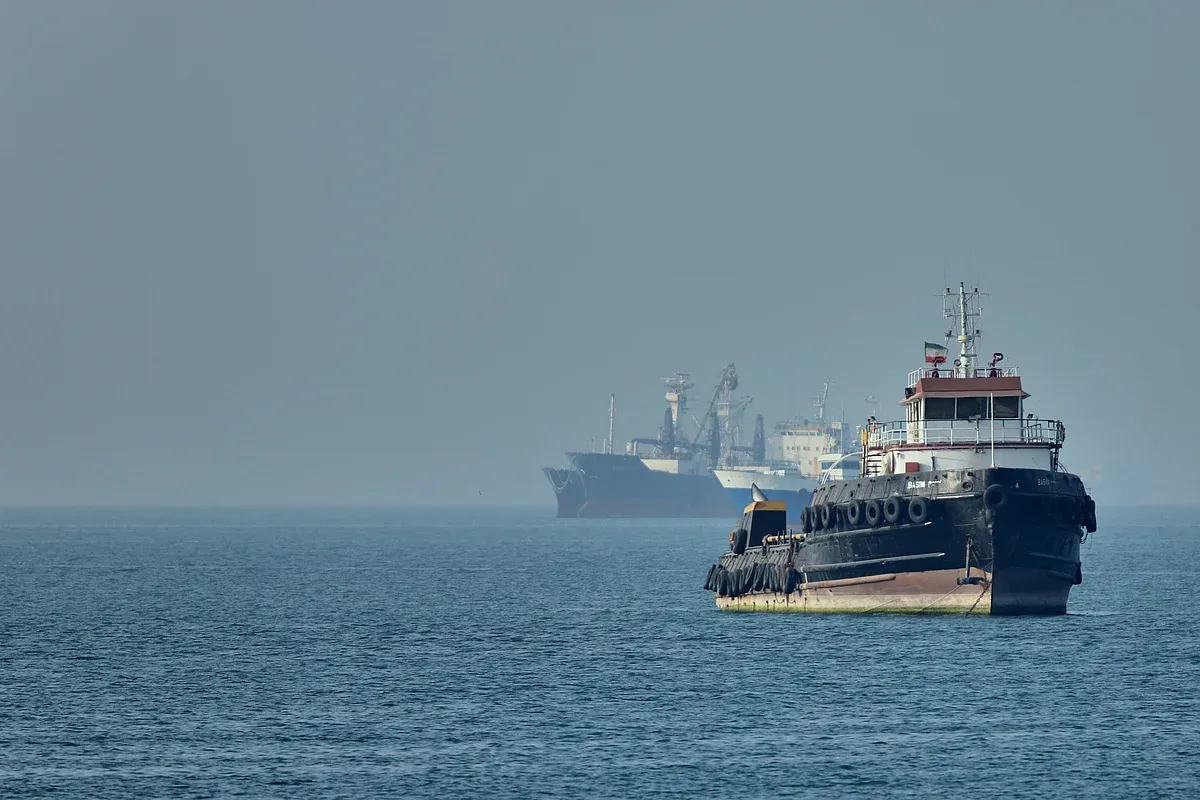
The US and Iran have reached a framework agreement to end months of conflict, including reopening the strategic Strait of Hormuz. While US President Trump stated the strait would remain toll-free, Iran clarified it would charge maritime service fees for navigation, environmental protection, and related services, not transit tolls. The final deal text recognizes Iran and Oman's joint authority over maritime services, with a 60-day toll-free period. Tehran expressed deep mistrust of the US despite the agreement, which also addresses sanctions relief and nuclear negotiations.
First-hand measurement across 15 sources
We measured how 15 outlets covered this story. Coverage leans balanced overall (Left 9%, Centre 87%, Right 4%). Overall sentiment is neutral (48/100). Lens Score 35/100 — moderate-to-low public interest.
Outlets analysed (first-hand measurement by TBN's Bias Engine):
- firstpost— balanced framing, neutral sentiment
- english— balanced framing, neutral sentiment
- httpswwwoutlookindiacom— balanced framing, neutral sentiment
- ndtv— balanced framing, neutral sentiment
- english— balanced framing, neutral sentiment
- wion— balanced framing, neutral sentiment
- timesnow— balanced framing, neutral sentiment
- opindia— balanced framing, neutral sentiment
AI Analysis
The article group presents perspectives from both US and Iranian officials, highlighting contrasting interpretations of the agreement's terms on Strait of Hormuz fees. US sources emphasize toll-free passage, while Iranian sources stress service fees and sovereignty claims. Coverage includes official statements and media reports from both sides, reflecting diplomatic tensions and mutual skepticism without favoring either party.
The overall tone is mixed, combining cautious optimism about the peace agreement's potential to end conflict and reopen a vital shipping route with concerns over unresolved issues like fee imposition and mutual distrust. While the deal is portrayed as a positive step toward de-escalation, uncertainty and skepticism about implementation and future negotiations temper the sentiment.