India Explores Alternatives as GE F414 Engine Costs Rise for AMCA Programme
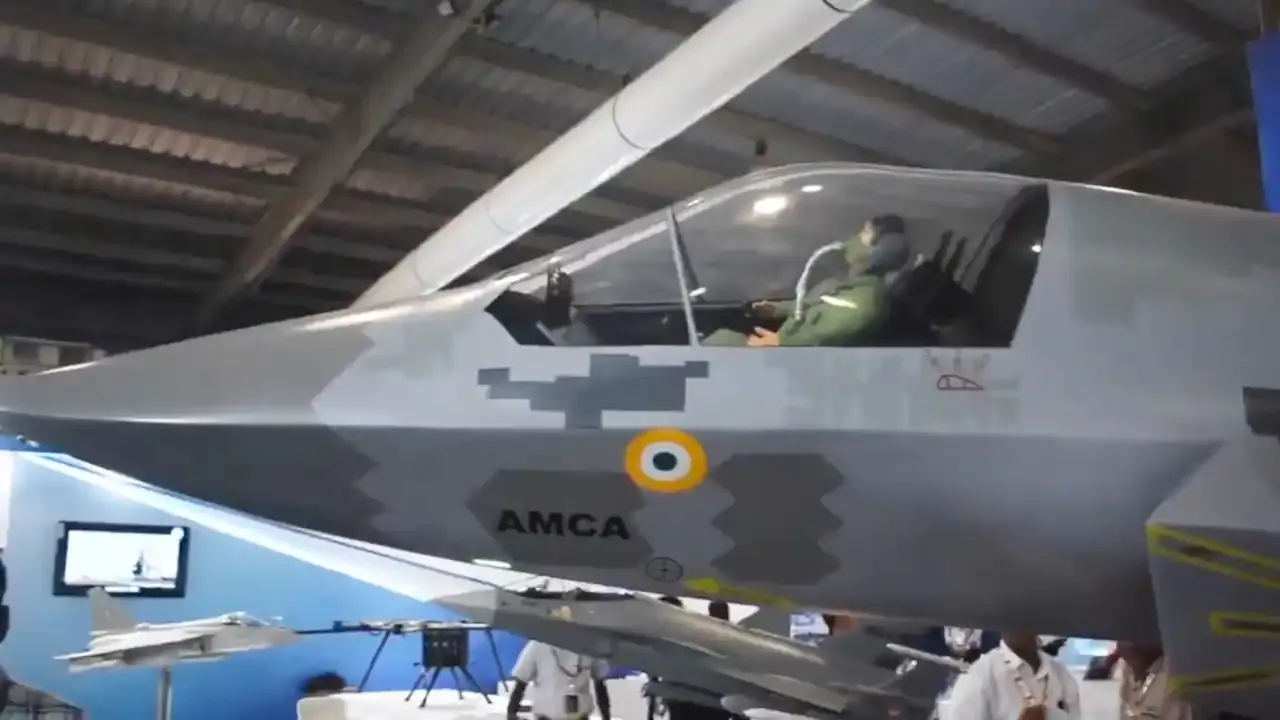
India's Advanced Medium Combat Aircraft (AMCA) programme faces challenges as the cost of the US-made GE F414 engine has reportedly tripled during negotiations, rising from around Rs 70-80 crore to over Rs 200 crore per unit. This price surge has prompted the Defence Research and Development Organisation (DRDO) to explore alternative engine options from French firm Safran and British company Rolls-Royce. The AMCA's initial phase plans to use the GE engine, with a transition to an indigenous engine targeted by 2030-36. Discussions also involve technology transfer, local manufacturing, and long-term support.
First-hand measurement across 6 sources
We measured how 6 outlets covered this story. Coverage leans balanced overall (Left 10%, Centre 82%, Right 8%). Overall sentiment is neutral (52/100). Lens Score 34/100 — low public interest.
Outlets analysed (first-hand measurement by TBN's Bias Engine):
- firstpost— balanced framing, neutral sentiment
- indiatoday— balanced framing, neutral sentiment
- news18— balanced framing, neutral sentiment
- zeenews— balanced framing, neutral sentiment
- timesnow— balanced framing, negative sentiment
- theprint— balanced framing, positive sentiment
AI Analysis
The article group presents perspectives from Indian defence sources, government agencies like DRDO, and international aerospace firms, reflecting a focus on national strategic interests and industrial development. Coverage includes official statements and industry viewpoints without partisan framing, highlighting challenges in India-US defence collaboration and the competitive pitches from French and British companies. The narrative balances government concerns over costs with industry proposals, avoiding political polarization.
The overall tone across the articles is cautiously concerned, emphasizing the financial and logistical challenges posed by the increased GE engine costs. While acknowledging setbacks and negotiation difficulties, the coverage also notes ongoing efforts to secure alternatives and advance indigenous capabilities, resulting in a mixed sentiment that combines apprehension with cautious optimism about future developments.