Skip to content
Get the Balanced News app for a better experience!
The Balanced News Logo
Analytics
The Balanced News Logo

Stay Balanced, Stay Informed

Menu
  • Browse News
  • Underreported Stories
  • Curated Feeds
  • Insights
  • Analytics
  • Our Writers
  • About Us
  • Download App
Learn
  • How It Works
  • Bias Detection
  • Lens Score
  • Source Bias Checker
  • Accountability
  • Custom Feeds
Newsroom
  • Writers & Analysts
  • About TBN
  • Editorial Standards
  • Corrections Policy
  • Our Partners
  • Insights
Socials
  • Youtube
  • Instagram
  • X
  • Facebook
News Categories
  • Trending
  • Politics
  • Sports
  • Business
  • Tech
  • Entertainment
  • Health
  • Science
  • Crime
  • Lifestyle
  • National
  • International
  • Good News
  • Crypto

Get Our App

Available for iOS and Android


LensFeedsInsightsAnalyticsTrendingGood NewsSportsPoliticsBusinessCrimeTechEntertainmentHealthNationalInternational

© 2026 The Balanced News. All rights reserved.

About UsEditorial StandardsCorrectionsHelp & SupportPrivacy PolicyTerms & Conditions

Categories

Categories

Related Coverage

Select a news story to see related coverage from other media outlets.

Related Coverage

Select a news story to see related coverage from other media outlets.

  1. Home
  2. /
  3. Politics

US-Iran Deal Draws Israeli Security Concerns and Views on Nuclear Issue Manageability
Analysed 15 Jun 2026·2 sources analysed·Jerusalem, Israel·Politics
US-Iran Deal Draws Israeli Security Concerns and Views on Nuclear Issue ManageabilityPreviousNext

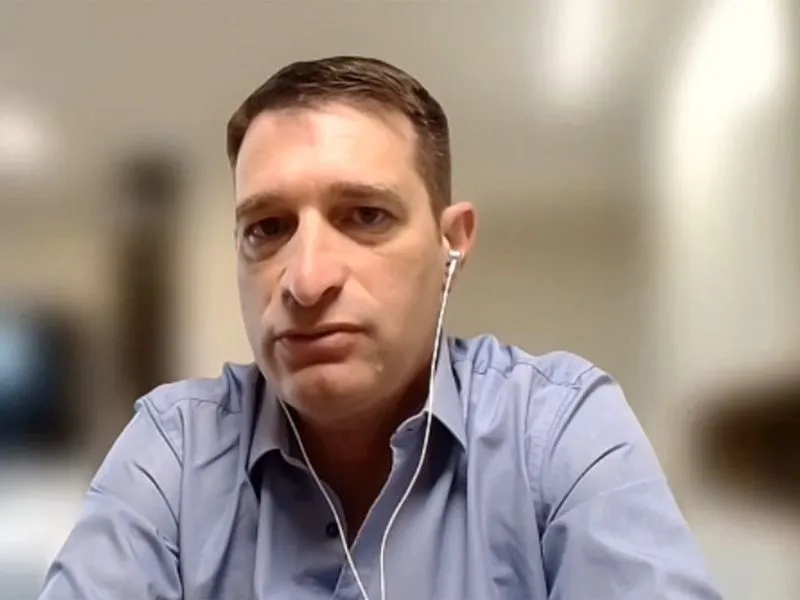
The recent US-Iran memorandum of understanding has sparked varied reactions. Sagiv Steinberg, CEO of Jerusalem Centre for Security and Foreign Affairs, warned Israel may independently strike Iran if it resumes nuclear or missile development, expressing concerns the deal may not fully address Israel's security. Conversely, former Indian Ambassador Dinkar Srivastava views the nuclear issues as technically manageable, noting the 2015 deal's framework remains valid. He highlighted Israel's opposition to diplomatic agreements with Iran, citing conflicting strategic interests.

TBN's observations

First-hand measurement across 2 sources

We measured how 2 outlets covered this story. Coverage leans balanced overall (Left 5%, Centre 87%, Right 8%). Overall sentiment is neutral (52/100). Lens Score 34/100 — low public interest.

Outlets analysed (first-hand measurement by TBN's Bias Engine):

  • thetribune— balanced framing, neutral sentiment
  • thetribune— balanced framing, neutral sentiment
Political Bias
5%87%8%
Sentiment
52%
AI analysis of 2 sources · Published under editorial oversight by The Balanced News
Analysed 15 Jun 2026· How this analysis is produced· Editorial standards· Corrections

AI Analysis

Political bias across 2 sources
● Left 5%● Center 87%● Right 8%

The articles present perspectives from Israeli and Indian officials reflecting differing geopolitical interests. The Israeli viewpoint emphasizes security threats and readiness for unilateral action, while the Indian perspective focuses on diplomatic feasibility and technical aspects of the nuclear agreement. Both acknowledge US involvement but highlight divergent priorities, with Israel skeptical of the deal's sufficiency and India emphasizing manageable technical challenges.

Sentiment — Neutral (52/100)

The overall tone is cautious and analytical, combining concern over potential security threats with pragmatic assessments of diplomatic progress. Israeli commentary conveys apprehension about Iran's intentions and the deal's limitations, whereas the Indian perspective offers a more optimistic view on resolving nuclear issues. The sentiment is mixed, balancing warnings with technical optimism without overtly positive or negative language.

How 2 sources covered this story

Reviewed byPrajakta Kale· Political Analyst· Edited byOjas Kale
← Previous
EU Initiates First Phase of Membership Talks with Ukraine and Moldova
Next →
Newly Elected Panchayat Leaders Take Oath Across Himachal Pradesh Districts

Each source's own headline, political lean, and sentiment — so you can see framing differences at a glance.

SourceTheir headlineBiasSentiment
thetribuneIsrael may strike Iran again if nuclear threat re-emerges despite peace deal: JCFA CEO Sagiv Steinberg - The TribuneCenterNeutral
thetribuneNuclear technicalities easiest to resolve in US-Iran deal, says former Indian Envoy Dinkar Srivastava - The TribuneCenterNeutral

Coverage timeline

thetribune broke this story on 15 Jun, 06:13 pm. Other outlets followed.

  1. 1
    thetribune15 Jun, 06:13 pm
    Nuclear technicalities easiest to resolve in US-Iran deal, says former Indian Envoy Dinkar Srivastava - The Tribune
  2. 2
    thetribune15 Jun, 09:38 pm
    Israel may strike Iran again if nuclear threat re-emerges despite peace deal: JCFA CEO Sagiv Steinberg - The Tribune

Lens Score breakdown

34/100
Public interest0/100
Coverage gap100%

Well-covered story — coverage matches public importance.

Who's involved

Institutions and figures named across source coverage.

Government
United States GovernmentIranian GovernmentIsraeli GovernmentUS Government

Story context

Category
Politics
Location
Jerusalem, Israel
Sources analysed
2
Last analysed
15 Jun 2026
Key entities
Nuclear program of IranIranIsraelDonald TrumpNuclear weaponIslamTehranEnriched uraniumMemorandum of understandingJerusalemBallistic missileForeign Affairs
US-Iran Deal Draws Israeli Security Concerns and Views on Nuclear Issue Manageability