US Vice President JD Vance Criticizes Israeli Opposition to US-Iran Peace Deal
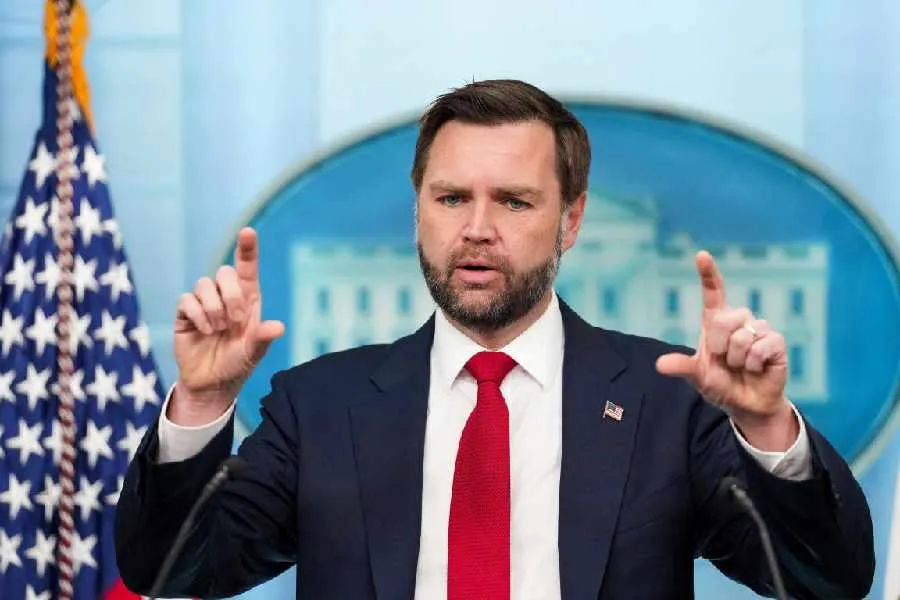
US Vice President JD Vance defended the Trump administration's US-Iran peace agreement, criticizing Israeli officials for their strong opposition. He described Israel's reaction as a 'weird panic' rooted in mistrust and urged Israeli leaders to recognize the longstanding US military and diplomatic support, highlighting that President Trump is Israel's only powerful ally. Vance also questioned Israel's reliance on military solutions alone and called for constructive proposals. The remarks underscore growing tensions between Washington and Jerusalem over the deal's handling of Iran's nuclear and missile programs and its impact on Israel's security concerns, particularly regarding Hezbollah in Lebanon.
First-hand measurement across 14 sources
We measured how 14 outlets covered this story. Coverage leans balanced overall (Left 27%, Centre 60%, Right 13%). Overall sentiment is neutral (46/100). Lens Score 37/100 — moderate-to-low public interest.
Outlets analysed (first-hand measurement by TBN's Bias Engine):
- wion— balanced framing, neutral sentiment
- indiatoday— balanced framing, neutral sentiment
- news18— balanced framing, neutral sentiment
- ndtv— left-leaning framing, neutral sentiment
- indiatoday— balanced framing, neutral sentiment
- hindustantimes— left-leaning framing, neutral sentiment
- economictimes— balanced framing, neutral sentiment
- theprint— balanced framing, neutral sentiment
AI Analysis
The article group presents perspectives primarily from US government officials, especially Vice President JD Vance, emphasizing support for the US-Iran agreement and criticism of Israeli opposition. Israeli viewpoints are represented mainly through references to cabinet ministers' criticisms and concerns about Iran's nuclear and missile programs. The coverage reflects a US-centric framing highlighting diplomatic tensions without extensive direct Israeli government responses, indicating a focus on the US administration's narrative and its diplomatic stance.
The overall tone across the articles is critical toward Israeli opposition and supportive of the US-Iran deal, reflecting a defensive stance by US officials. The sentiment is mixed, with sharp rebukes directed at Israeli critics and emphasis on US support for Israel, balanced by acknowledgment of Israeli concerns. The coverage conveys tension and disagreement but avoids overtly negative or inflammatory language, maintaining a professional and measured tone.