Europe Increases Defence Spending Amid Challenges Meeting NATO Targets
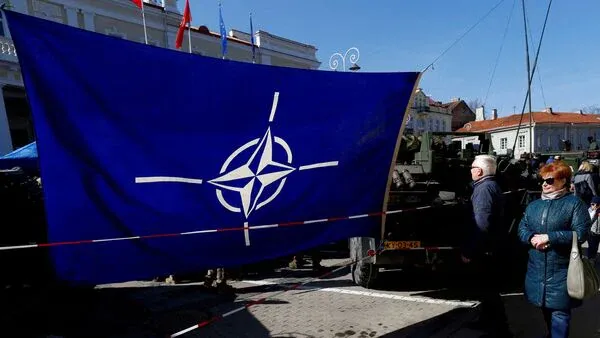
European NATO allies and EU member states are increasing defence spending and revitalizing their defence industries to enhance military readiness amid rising security concerns. This includes expanding production of traditional and innovative military technologies. However, many countries face challenges meeting NATO's 3.5% GDP defence spending target by 2035, sparking public protests and debates over budget priorities. The situation highlights tensions between security commitments and economic or social policy considerations ahead of a NATO summit.
First-hand measurement across 2 sources
We measured how 2 outlets covered this story. Coverage leans balanced overall (Left 15%, Centre 75%, Right 10%). Overall sentiment is neutral (55/100). Lens Score 29/100 — low public interest.
Outlets analysed (first-hand measurement by TBN's Bias Engine):
- mint— balanced framing, neutral sentiment
- hindustantimes— balanced framing, neutral sentiment
AI Analysis
The articles present perspectives emphasizing both the necessity of increased European defence capabilities and the domestic political and economic challenges involved. One source highlights strategic and industrial revitalization, while the other focuses on fiscal constraints and public opposition. This balance reflects viewpoints from government and defence sectors alongside civil society concerns, without privileging any political ideology.
The overall tone is mixed, combining cautious optimism about Europe's renewed defence efforts and industrial growth with critical attention to financial shortfalls and social resistance. Coverage acknowledges progress and innovation but also underscores the difficulties and controversies surrounding increased military spending, resulting in a nuanced sentiment landscape.