Supreme Court to Hear Appeal Against Orissa High Court Ban on 'Mahaprabhu Jagannath' Film
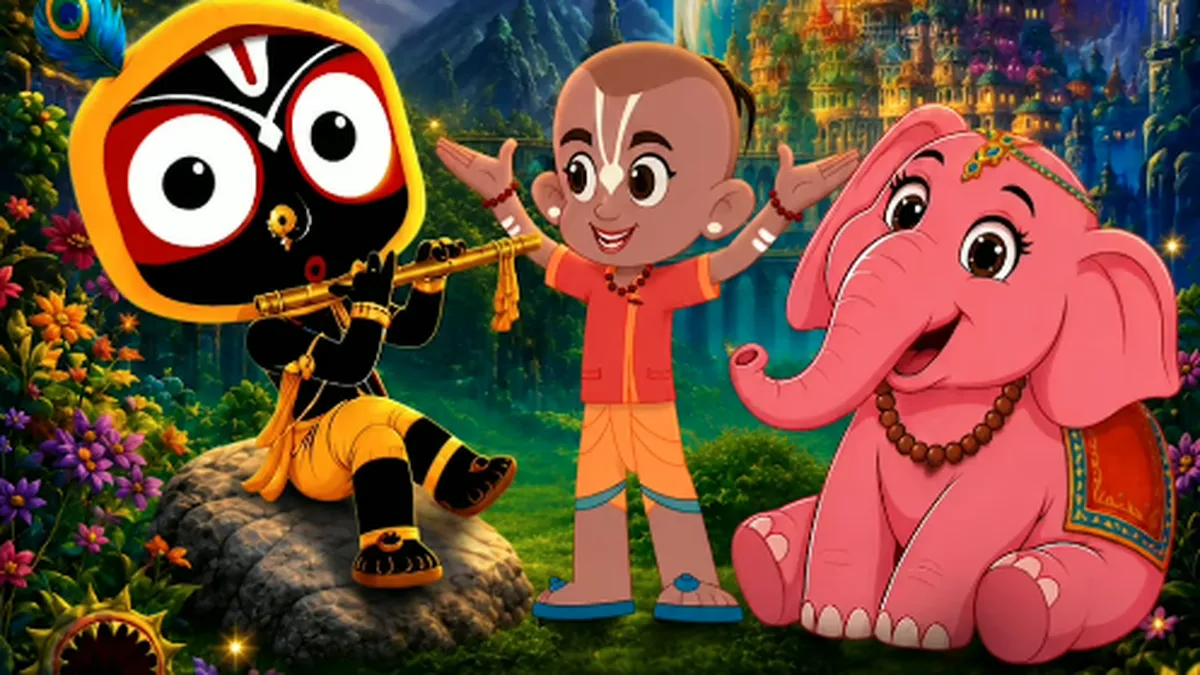
The Supreme Court of India agreed to hear an appeal on July 17, 2026, challenging the Orissa High Court's interim order banning the animated film 'Mahaprabhu Jagannath' nationwide. The ban was imposed due to objections that the film's portrayal of Lord Jagannath did not strictly adhere to the Skanda Purana and other Hindu scriptures. The film's makers, Ele Animations, argued the film is a children's feature cleared by the Central Board of Film Certification and that the ban, issued just before release, would cause significant commercial loss. The Supreme Court scheduled the hearing following a public interest litigation filed in Orissa seeking cancellation of the film's certification and a screening ban within the state.
First-hand measurement across 4 sources
We measured how 4 outlets covered this story. Coverage leans balanced overall (Left 8%, Centre 88%, Right 4%). Overall sentiment is neutral (46/100). Lens Score 36/100 — moderate-to-low public interest.
Outlets analysed (first-hand measurement by TBN's Bias Engine):
- indiatoday— balanced framing, neutral sentiment
- timesnow— balanced framing, neutral sentiment
- thehindu— balanced framing, neutral sentiment
- economictimes— balanced framing, neutral sentiment
AI Analysis
The article group presents perspectives primarily from the judiciary and the film's producers, focusing on legal and cultural considerations without partisan framing. The sources highlight the Orissa High Court's concerns about religious adherence and the filmmakers' emphasis on certification and commercial impact. There is balanced coverage of the public interest litigation and the procedural aspects of the Supreme Court's intervention, reflecting a neutral stance on the dispute.
The overall tone across the articles is neutral to slightly cautious, emphasizing legal procedures and cultural sensitivities. Coverage acknowledges the filmmakers' concerns about financial loss and certification clearance, while also presenting the High Court's rationale for the ban. The sentiment avoids sensationalism, focusing on the judicial process and the conflicting claims regarding religious accuracy and freedom of expression.