BJP Seeks Support for Women's Reservation and Delimitation Bill in Monsoon Session
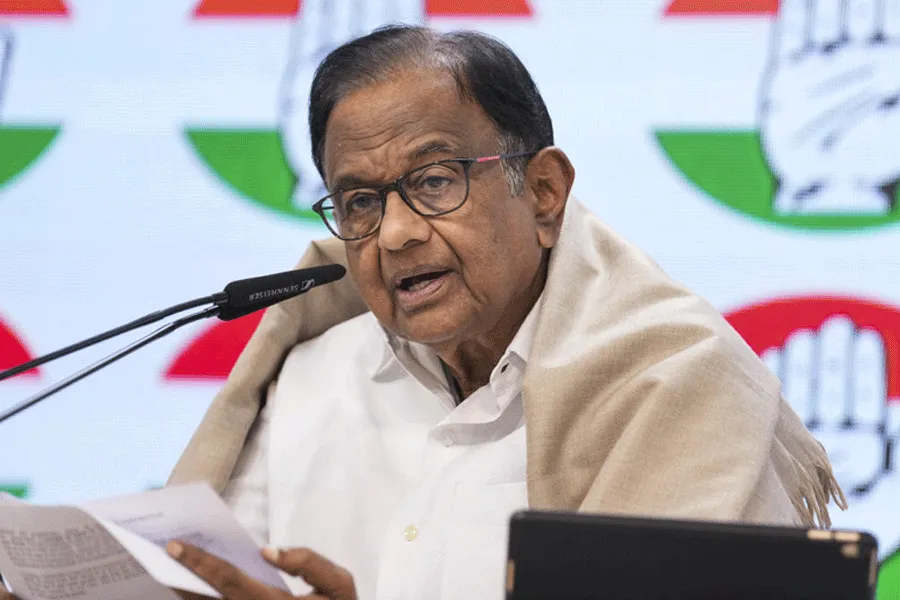
The BJP-led NDA plans to reintroduce the Constitution (131st Amendment) Bill in the upcoming Monsoon Session starting July 20, aiming to implement 33% women's reservation and expand Lok Sabha seats from 543 to 850 through delimitation. The bill requires a two-thirds majority, prompting BJP outreach to regional parties like NCP (Sharad Pawar faction) and DMK. While NCP (SP) leader Supriya Sule indicated conditional support if all states receive a uniform 50% seat increase, senior Congress leader P. Chidambaram warned against backing the bill, calling it a potential political maneuver. The NDA has gained some support from Trinamool Congress and Shiv Sena rebels, but the bill's passage remains uncertain amid opposition concerns and ongoing political negotiations.
First-hand measurement across 14 sources
We measured how 14 outlets covered this story. Coverage leans balanced overall (Left 34%, Centre 42%, Right 24%). Overall sentiment is neutral (52/100). Lens Score 33/100 — low public interest.
Outlets analysed (first-hand measurement by TBN's Bias Engine):
- thehindu— centre-left framing, neutral sentiment
- theprint— right-leaning framing, neutral sentiment
- thetribune— centre-left framing, neutral sentiment
- ndtv— balanced framing, neutral sentiment
- freepressjournal— balanced framing, neutral sentiment
- businessstandard— balanced framing, neutral sentiment
- zeenews— balanced framing, neutral sentiment
- thestatesman— balanced framing, neutral sentiment
AI Analysis
The article group presents perspectives from the ruling BJP-led NDA, opposition parties like Congress and NCP (SP), and regional players such as DMK and Shiv Sena. BJP sources emphasize legislative progress and outreach efforts, while opposition voices, notably P. Chidambaram, express skepticism about the bill's intent and warn against supporting it. NCP (SP) leaders convey cautious openness contingent on specific conditions. Coverage reflects a balance between government ambitions and opposition reservations without favoring any side.
The overall tone across the articles is mixed, combining cautious optimism from government and allied party representatives about passing the bill with critical and wary views from opposition leaders. The narrative includes political maneuvering and strategic calculations, reflecting uncertainty about the bill's fate. While some sources express confidence in eventual passage, others highlight potential betrayals and political risks, resulting in a nuanced sentiment landscape.