Samajwadi Party Plans Expanded Dalit Representation Amid Rising Non-Yadav OBC Political Assertion in Uttar Pradesh
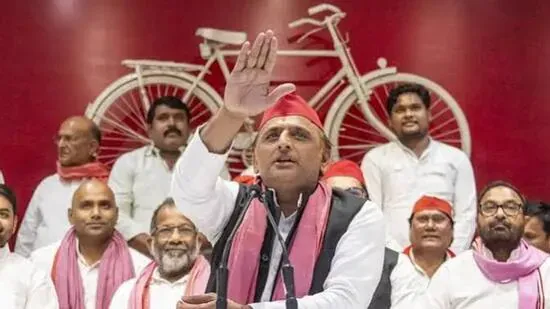
Ahead of the 2027 Uttar Pradesh assembly elections, the Samajwadi Party (SP) plans to field nearly 100 Dalit candidates, including on general seats, aiming to broaden its social base beyond its traditional Muslim-Yadav support. This strategy seeks to strengthen the PDA (Pichhda, Dalit, Alpsankhyak) coalition and consolidate anti-BJP votes. Concurrently, non-Yadav OBC communities, representing a significant portion of the state's population, are asserting their political influence, challenging the Yadav dominance within OBC politics. Leaders like Om Prakash Rajbhar highlight demands for greater representation and address perceived marginalization within the OBC category, reshaping caste-based alignments ahead of the elections.
First-hand measurement across 2 sources
We measured how 2 outlets covered this story. Coverage leans balanced overall (Left 45%, Centre 45%, Right 10%). Overall sentiment is neutral (52/100). Lens Score 26/100 — low public interest.
Outlets analysed (first-hand measurement by TBN's Bias Engine):
- hindustantimes— left-leaning framing, neutral sentiment
- zeenews— balanced framing, neutral sentiment
AI Analysis
The articles present perspectives from both the Samajwadi Party's strategic shift to include more Dalit candidates and the growing political assertion of non-Yadav OBC groups challenging Yadav dominance. Coverage includes viewpoints from party insiders, opposition leaders, and political analysts, reflecting intra-OBC dynamics and electoral strategies without favoring any political faction.
The overall tone is analytical and neutral, focusing on political developments and caste dynamics in Uttar Pradesh. The coverage highlights strategic moves and emerging challenges without emotive language, maintaining an informative and balanced approach to the evolving political landscape ahead of the 2027 elections.
How 2 sources covered this story
Each source's own headline, political lean, and sentiment — so you can see framing differences at a glance.