Israeli Strikes Kill Five in Southern Lebanon Hours After Ceasefire Takes Effect
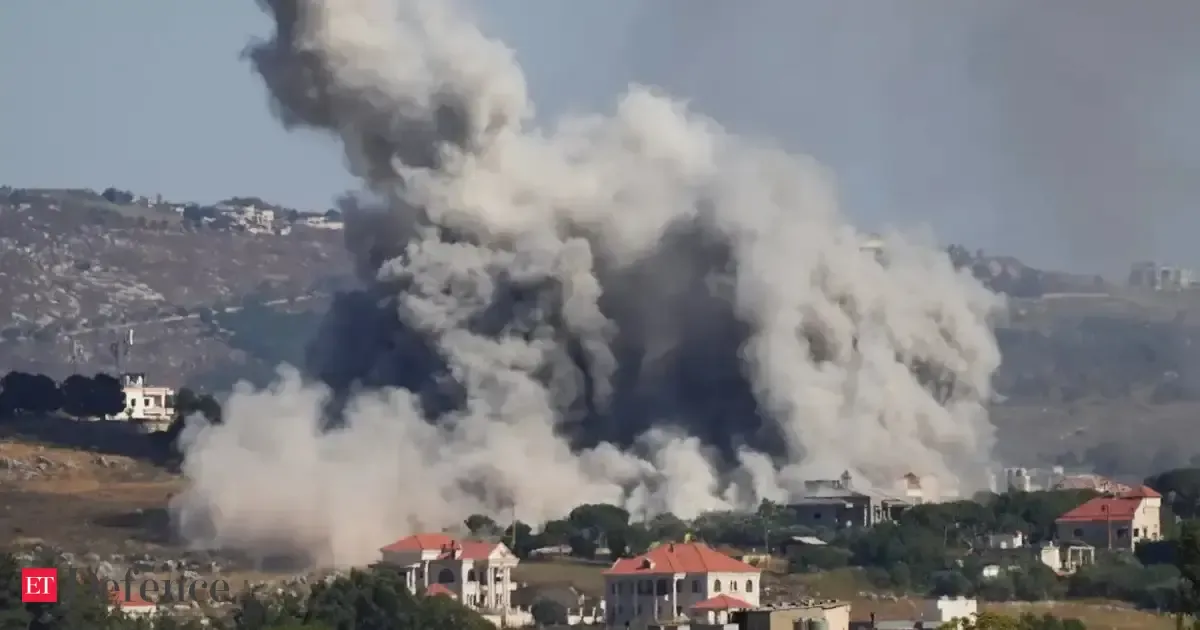
At least five people were killed in Israeli air and drone strikes in southern Lebanon's Nabatieh region on Saturday, hours after a US-brokered ceasefire between Israel and Hezbollah took effect. The attacks destroyed residential buildings and involved artillery shelling. While Israel cited projectile attacks from Lebanon as justification, Hezbollah denied responsibility but warned it would respond to future strikes. The ceasefire, aimed at de-escalating hostilities, remains fragile amid ongoing diplomatic efforts involving the US, Qatar, and Iran.
First-hand measurement across 12 sources
We measured how 12 outlets covered this story. Coverage leans balanced overall (Left 18%, Centre 78%, Right 4%). Overall sentiment is negative (27/100). Lens Score 31/100 — low public interest.
Outlets analysed (first-hand measurement by TBN's Bias Engine):
- thestatesman— balanced framing, negative sentiment
- thehindu— balanced framing, negative sentiment
- thetelegraph— balanced framing, negative sentiment
- businessstandard— balanced framing, negative sentiment
- thetribune— balanced framing, negative sentiment
- oneindia— balanced framing, negative sentiment
- indiatvnews— balanced framing, negative sentiment
- economictimes— balanced framing, negative sentiment
AI Analysis
The article group presents perspectives from Israeli, Hezbollah, and US sources, reflecting the complex regional dynamics. Israeli sources emphasize responses to attacks from Lebanon, while Hezbollah denies involvement but asserts readiness to retaliate. US and international mediators are portrayed as brokers of the ceasefire, highlighting diplomatic efforts. Coverage balances official statements and local reports without endorsing any side's narrative.
The overall tone is serious and somber, focusing on the human toll and the fragility of the ceasefire. Reports convey concern over renewed violence and the potential for escalation, with limited optimism about the truce's durability. The sentiment is predominantly cautious and factual, avoiding emotive language while acknowledging the conflict's gravity.